





Heritage
The Gien Story
Gien's story begins with an Englishman and a river. In 1821 Thomas Hall, whose family had run a faience works at Montereau, bought the grounds and buildings of the old Minims convent on the banks of the Loire and set out to make fine earthenware in the English manner. Two centuries later, the manufactory is still in Gien, and its plates still carry the name of the town where they are made.
A Convent on the Loire
Hall chose Gien with care. The town sat at a commercial crossroads, the land around it offered clays and sands, and the Loire supplied siliceous pebbles as well as a road for the wood, floated down from the Orléans forests, that fed the kilns. The first decades were devoted to white earthenware in octagonal shapes with finely modeled detail, and to the earliest themed plates.
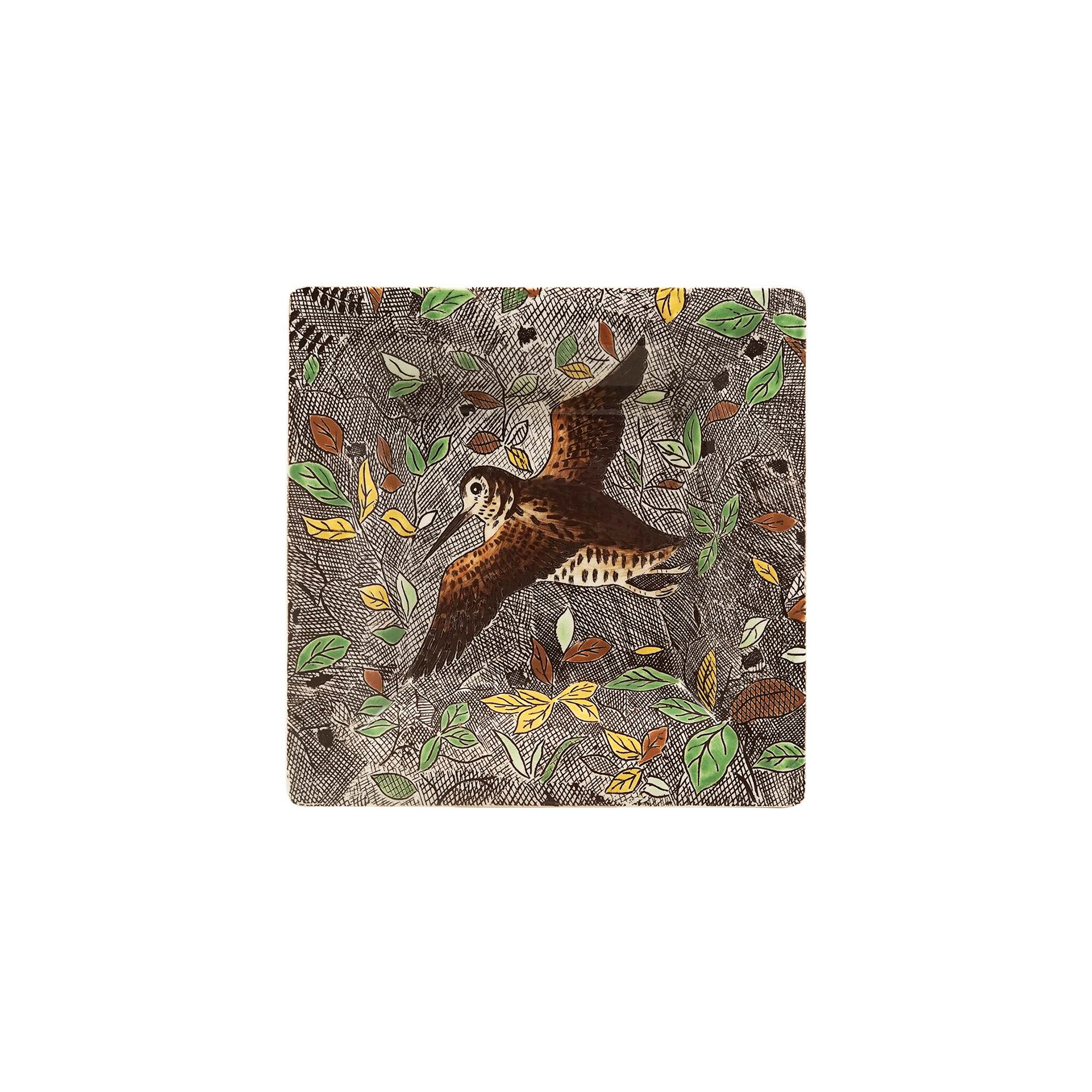
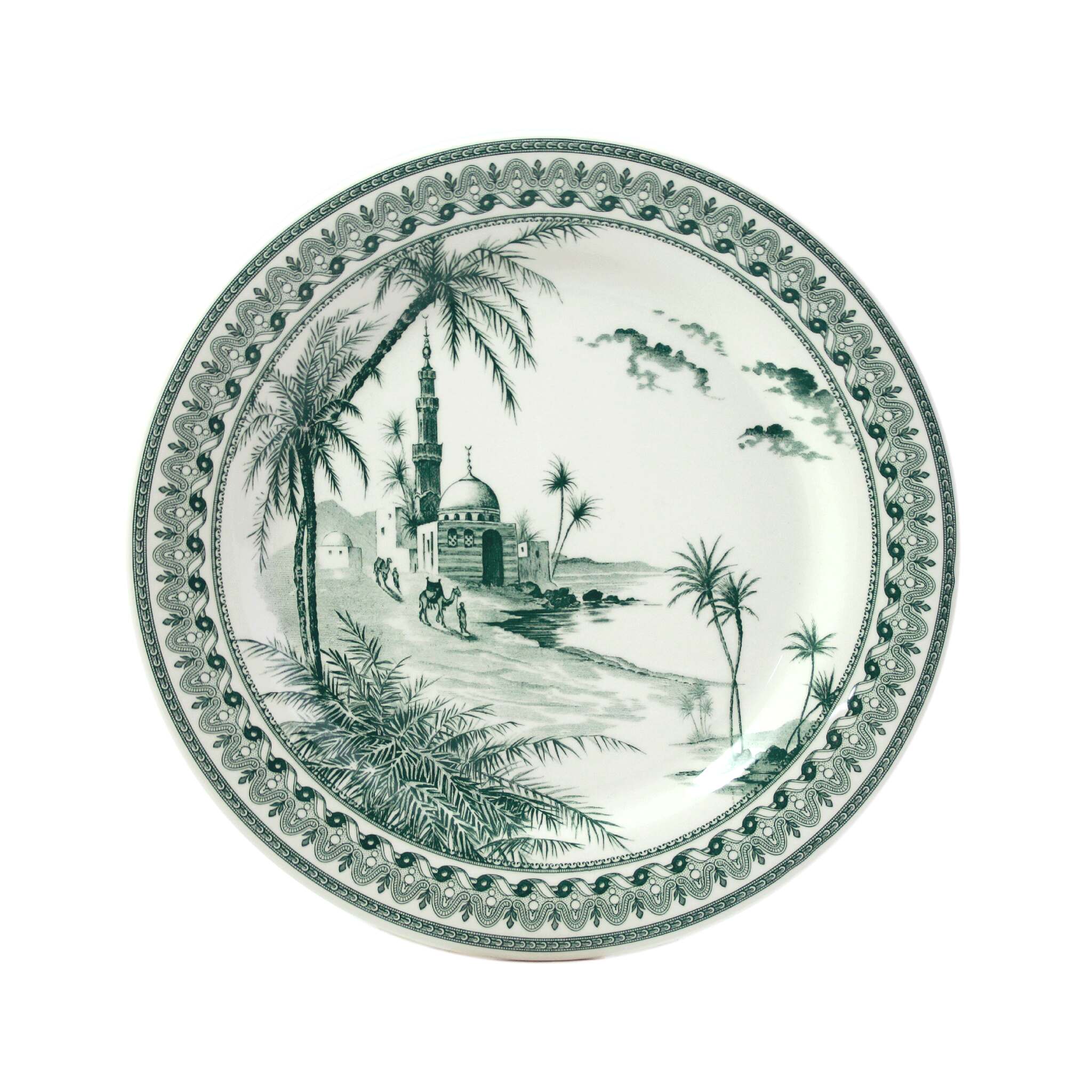
From about 1850 to the First World War, Gien entered what it calls its golden age. Its decorators looked to the faience of Rouen and Marseille, to the Italian Renaissance and to the Ottoman world, and worked with artists and engravers to translate those sources onto the table. The house won awards at the great World's Fairs and made personalized services, often bearing coats of arms, for prominent European families.
Gien Blue and Other Turning Points
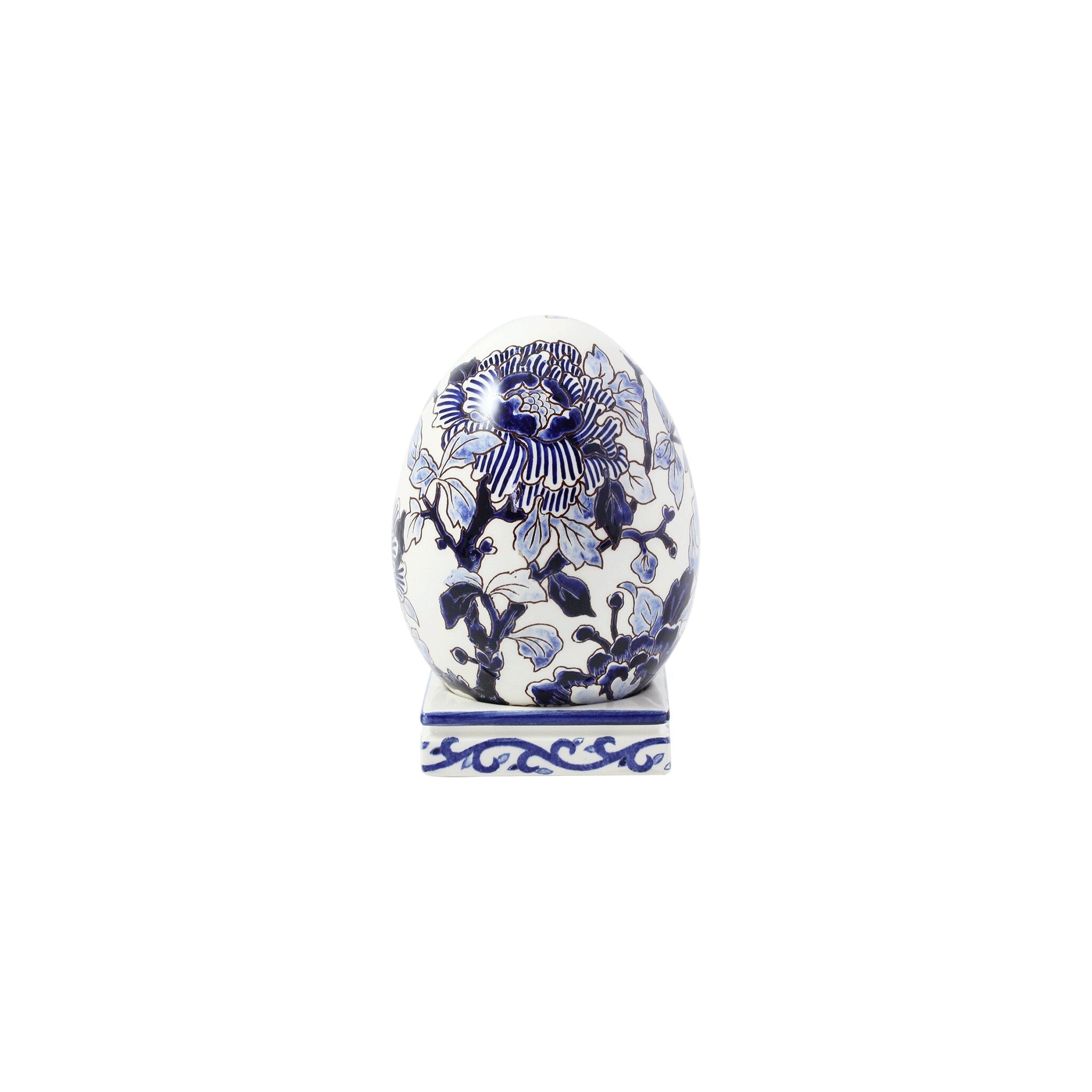
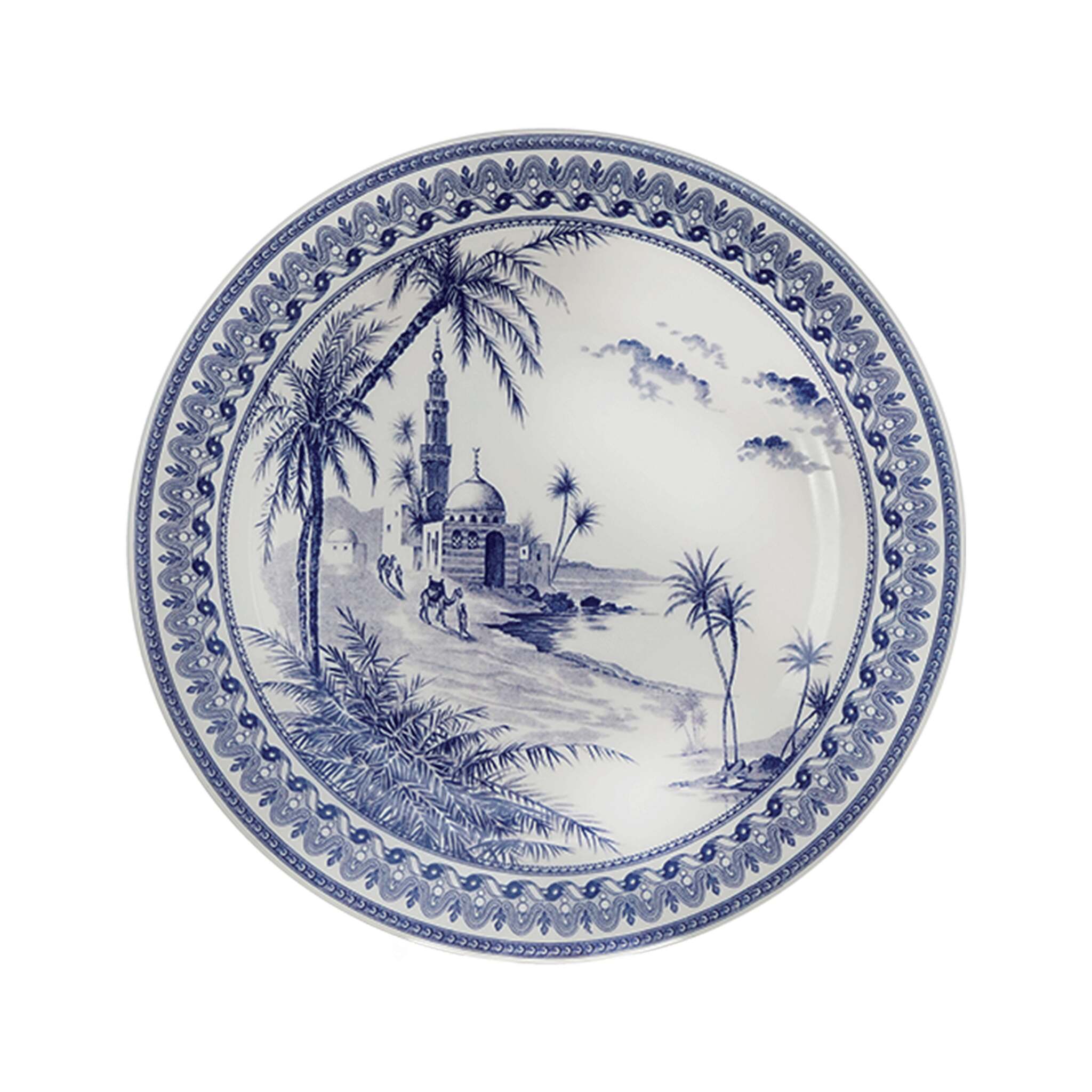
In 1872 the name Gien became attached to a color. The deep blue known as Gien blue is credited to the Blois ceramist Adrien Thibault, who developed it for a Blue Renaissance decor inspired by fifteenth-century Italy. Blue has run through the house's work ever since, and a vase in Pivoines Bleues shows how: introduced in 2015, it is a monochrome reading of a peony pattern first created in 1875.
The manufactory's reach also went well beyond the dining room. It produced wall tiles for the Paris Métro and created tableware for the Orient Express. After the Second World War it modernized with tunnel kilns, and when demand fell away in the early 1980s it reinvented itself around hand-painted, numbered limited editions and partnerships with designers such as Andrée Putman, Paco Rabanne, Garouste and Bonetti, Patrick Jouin and Isabelle de Borchgrave. Today Gien is a member of the Comité Colbert and holds France's Entreprise du Patrimoine Vivant label, an official recognition of living heritage crafts.
The Signature Patterns
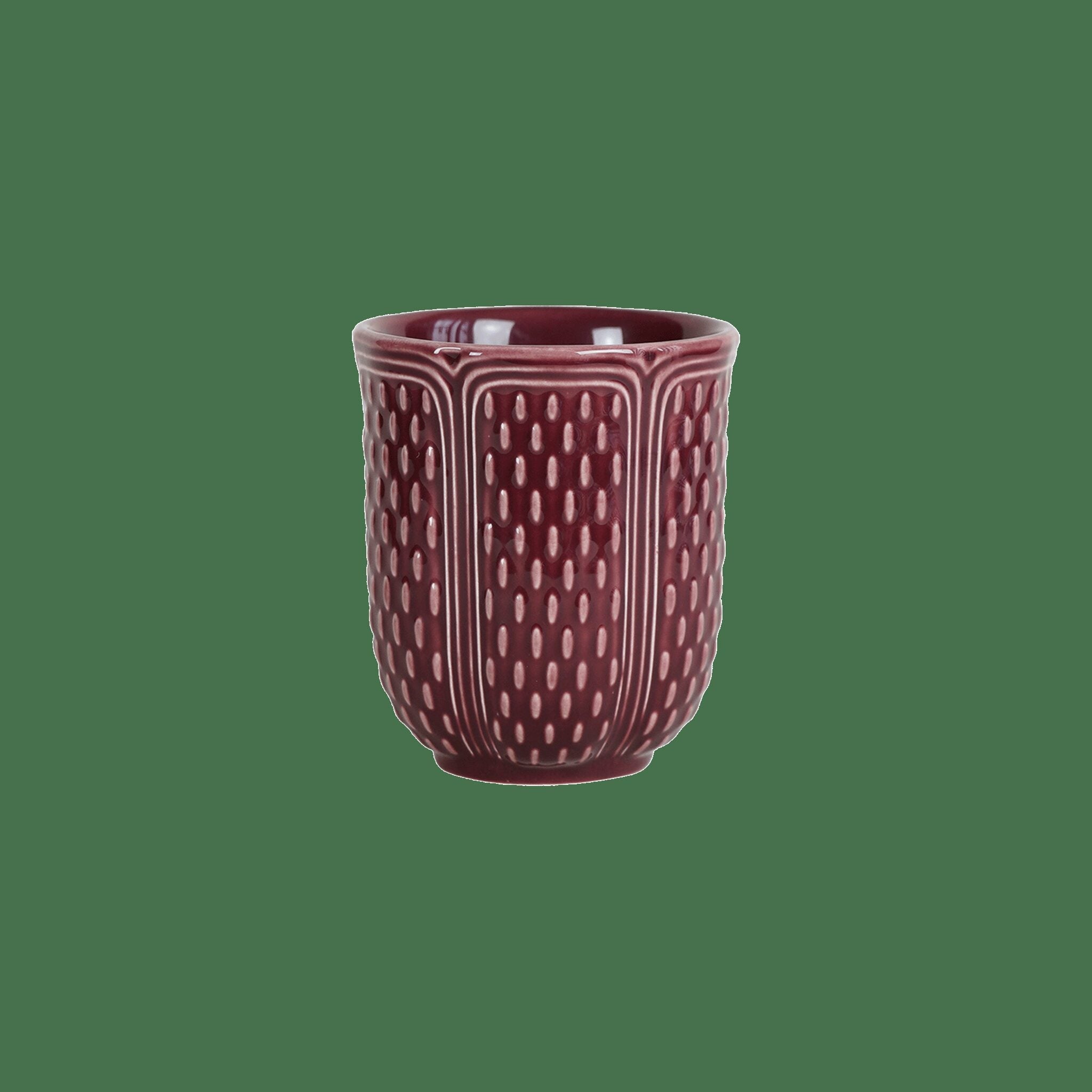
Few patterns carry as much history as Pont aux Choux. The name comes from an eighteenth-century Paris pottery on the Boulevard Saint-Antoine, reached by a bridge over moats that had been turned into cabbage gardens. Around 1750 that workshop developed its famous rice-grain relief, and in 1819 Thomas Hall acquired Pont aux Choux and its pattern. Gien's fine earthenware holds those details crisply: swirling volutes, gadroons, artichoke-shaped lid knobs and scattered grains of rice, all left in pure white so the sculpting does the talking.
The archives remain a working resource. Les Dépareillées, whose name means "the mismatched," draws on historic Gien decors and sets different motifs side by side in a single color, so a table looks collected over generations rather than bought in one day. In 2023 the designer Jean-Charles de Castelbajac brought his own wit to the house with L'Archipel Sentimental, which weaves together references to Blue Peonies, Blue Nets and the mismatched blue plates.
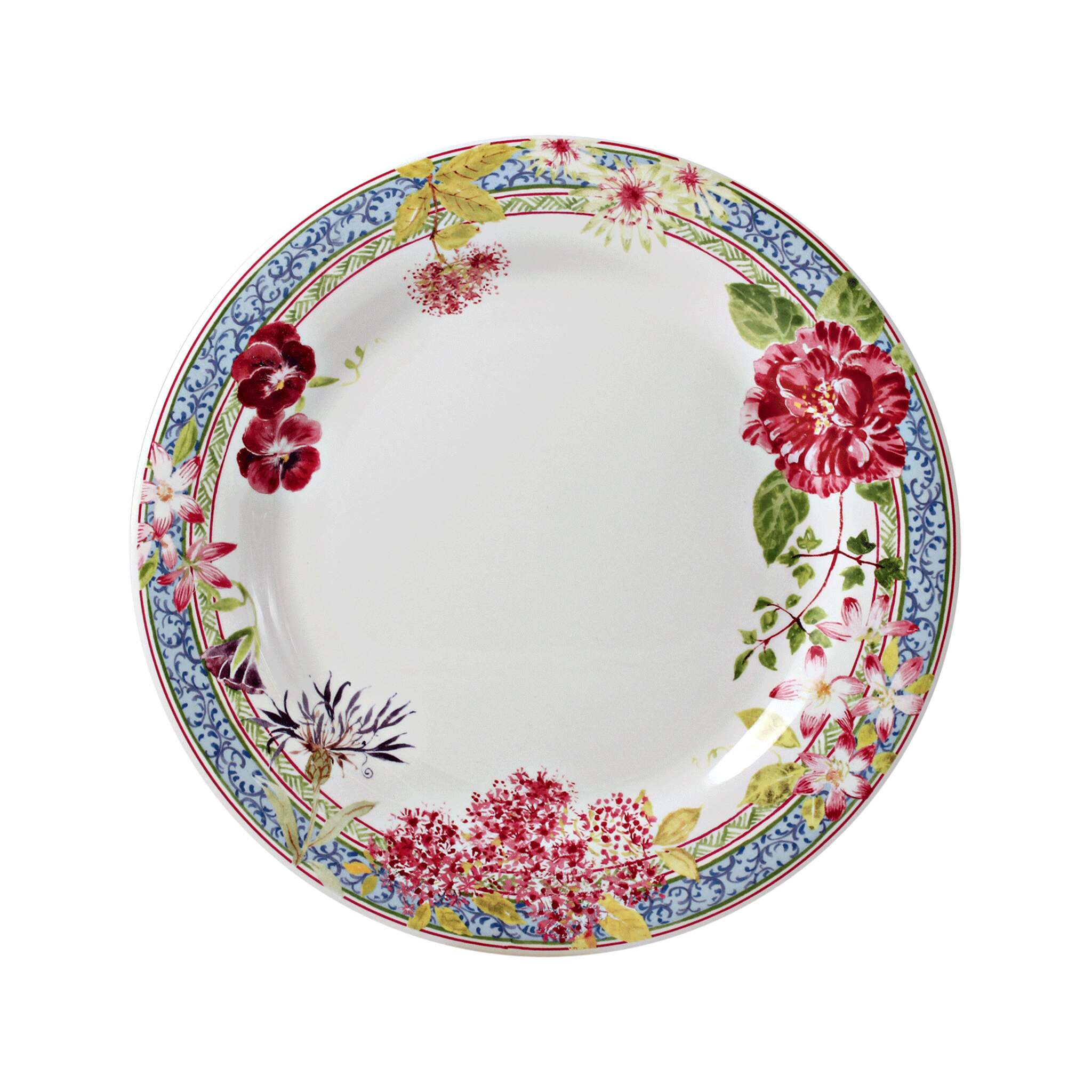
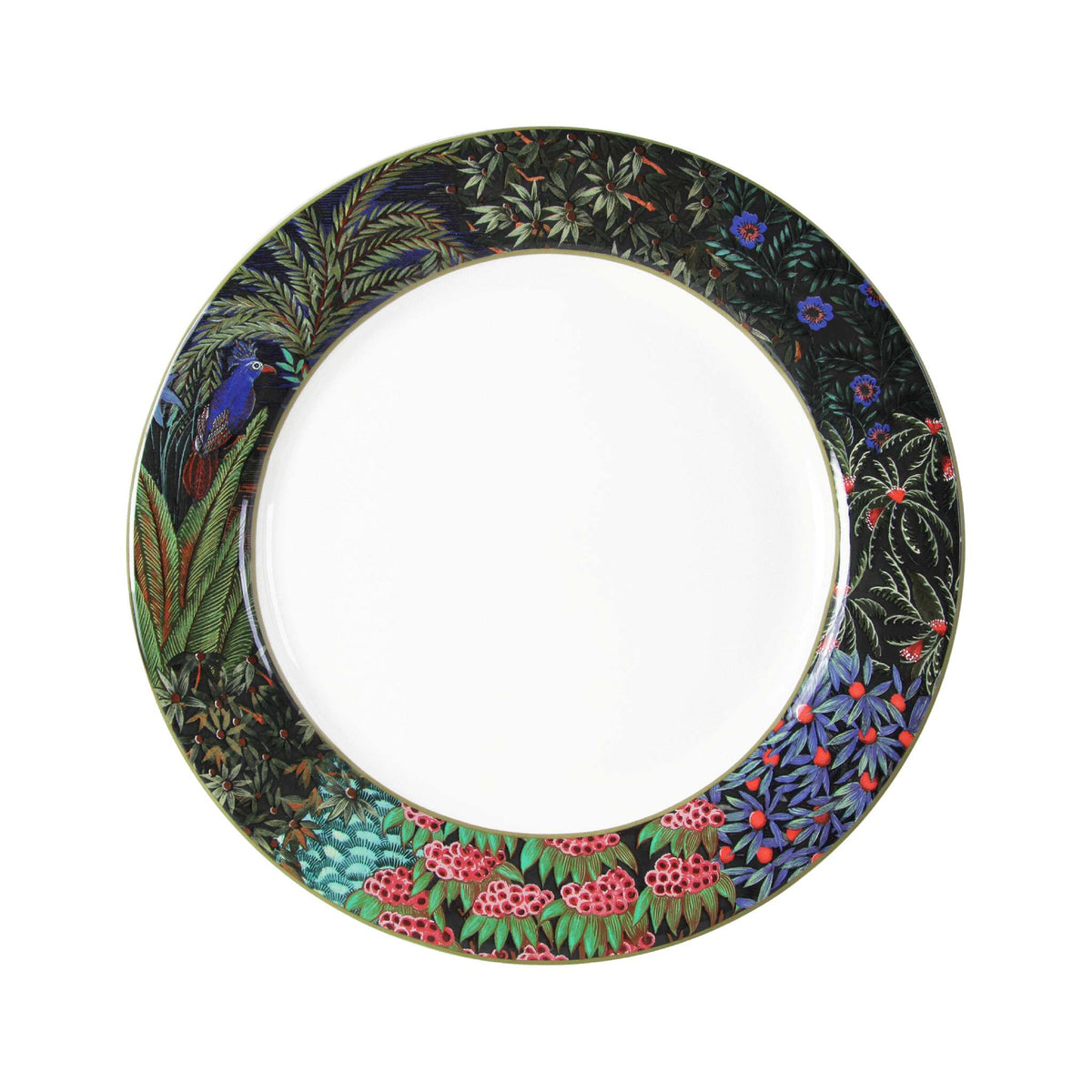
Color lovers tend to start elsewhere. Oiseaux de Paradis fills its plates with exotic birds and garden flowers, while Millefleurs lives up to its name with a profusion of blossoms. Dominoté mixes floral and geometric motifs finished with a hand-painted trim. For a quieter note, the Filet plates, such as Filet Midnight, keep the decoration to a delicate hand-applied rim on a shell-shaped edge.
Setting the Table
Because so many Gien patterns share the same forms and palette, they combine easily. A set of Filet dinner plates makes a calm base for dessert plates in a livelier pattern, and white Pont aux Choux pairs with nearly anything, from blue peonies to a bright floral. Mixing is part of the house's own thinking, as Les Dépareillées shows.
A Gien piece is a natural choice to mark a wedding, an anniversary or a family milestone, and limited editions such as the Pivoines Bleues Musée vases are made in small runs for collectors.
Hand-decorated faience rewards a little care. Handle painted rims and gilded details gently, store plates with a soft liner between them, and treat lidded pieces and vases as the decorative objects they are. Used this way, a Gien service is meant to be set out often and passed along, gathering its own history at every meal.
Gien faience is still made in the town of Gien, on the Loire, where Thomas Hall founded the manufactory in 1821. More Gien patterns: Filet Blue, Filet Burgundy, Filet Cobalt, Filet Coral, Filet Earth Grey, Filet Fern Green, Filet Green, Filet Lemon, Filet Ocean Blue, Filet Red, Filet Taupe, Provence, Pivoines, Pivoines Vertes, Paris Giverny, Chance Folle, Chevaux du Vent, Oiseau Bleu Fruits and Les Vases à Oranger. Every plate in one place: Gien plates.
Questions about Gien, a pattern or a missing piece? We are happy to help:
info@paristableware.com · (201) 652-4233