






Heritage
The Herend Story
Herend takes its name from a small village in Hungary, and two hundred years after its founding, the manufactory still works there. Its story moves from a struggling village pottery to imperial patronage, through war and nationalization, to a company largely owned by the people who make its porcelain, and through all of it the painted dinner service has remained at the center.
From Village Pottery to Imperial Purveyor
Archival research credits Vince Stingl, a native of Sopron who learned the fine ceramics trade in Vienna, with founding the forerunner of the manufactory in 1826. In 1839 Mór Fischer took over and set out to make porcelain of excellent quality by international standards. He found a clever niche: making replacement pieces for the porcelain services of Europe's royal and noble households, originally made in Germany and the Far East. Its success led to the next phase of growth, when the manufactory's artists began designing dinnerware patterns of their own.
International success came at the Great Exhibition in London in 1851, where a dinner set painted with butterflies and blossoming branches won the jury's grand prize and Queen Victoria ordered a complete service for Windsor Castle. In 1872 Emperor Franz Joseph granted the manufactory the title of Supplier to the Imperial and Royal Court. After Fischer's sons took over in 1874 and the business fell into bankruptcy, his grandson Jenő Farkasházy, a trained ceramist, took the helm in 1896, revived the traditional patterns and organized apprentice training.
The 20th century brought new turns. Herend's appearance at the 1933 Chicago World's Fair marked the start of its exports to the United States. The manufactory was nationalized in 1948, regained its independence in 1981, and in 1992 was re-established as a company in which employees hold 75 percent of the shares. Its factory collection opened to the public as a museum in 1964, and today Herend describes itself as the world's largest porcelain manufactory.
Made and Painted by Hand
Herend porcelain begins with kaolin, feldspar and quartz, mixed with water into pastes that are pressed or poured into plaster molds. Open-work borders are cut with a special double-edged knife, each tiny opening made individually by hand. Pieces are first fired at about 950°C, then glazed and fired again at about 1400°C, which gives the porcelain its glistening shine.
Painting is where Herend's reputation is made. The colors are powdered metal oxides, mixed with turpentine and a thickened oil so that they can be spread with a brush. A pattern may first be drawn in pen, then colored with squirrel-hair brushes, down to the tiniest motif. Gilding is done in real gold, fixed with a further firing at about 800°C.
The Great Patterns
Queen Victoria is one of the oldest and best known of Herend's patterns, the design that won in London in 1851. Painted in the Far Eastern style, it gathers nearly a hundred different kinds of butterflies and blossoming branches in bright color.
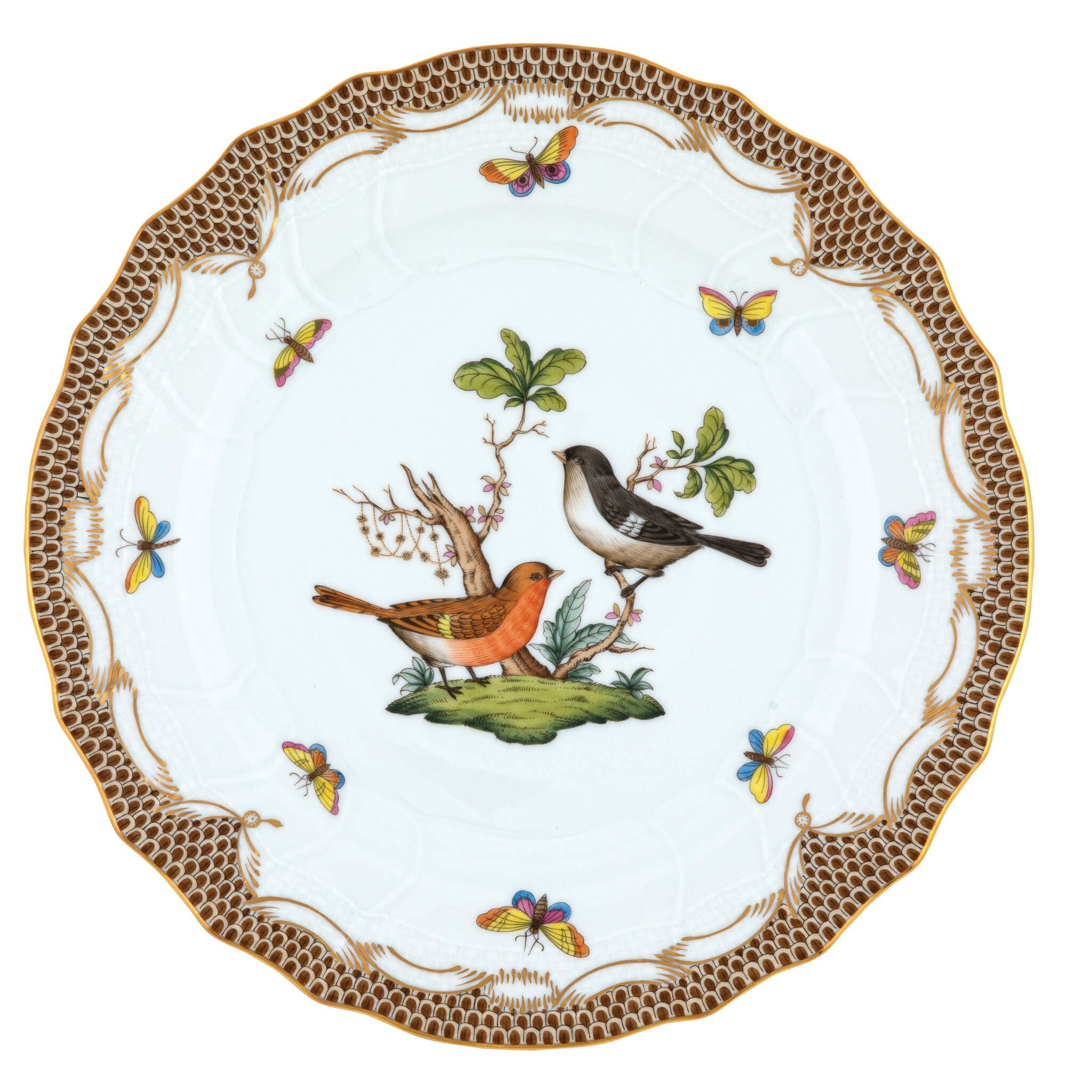
Rothschild Bird depicts colorful, bustling birds and insects so vividly that it suggests a forest full of birdsong. It takes its name from the Rothschild family, who favored it for their Herend services from the 1860s, and the fine gold chain painted around the branches is a nod to the banking family's wealth.
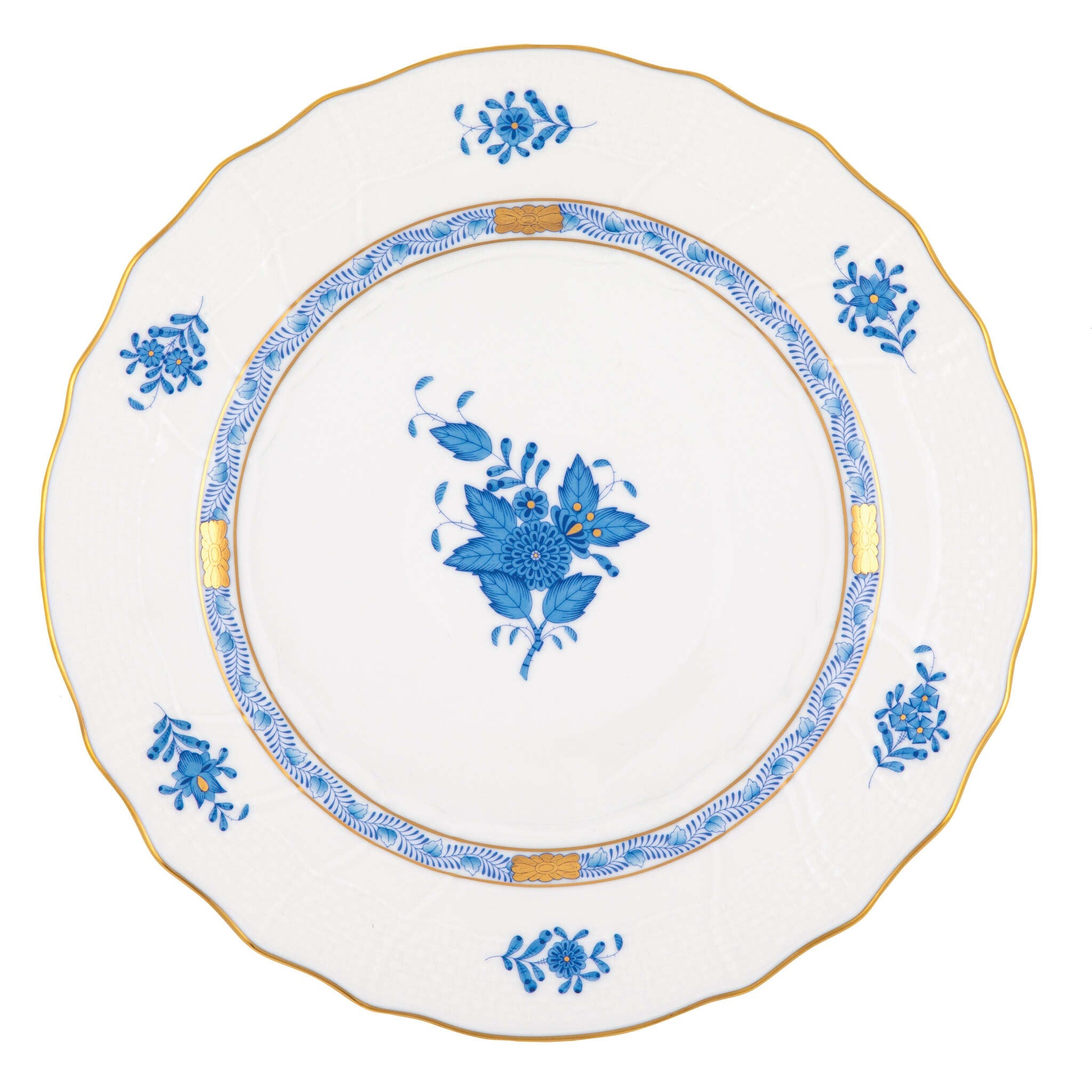
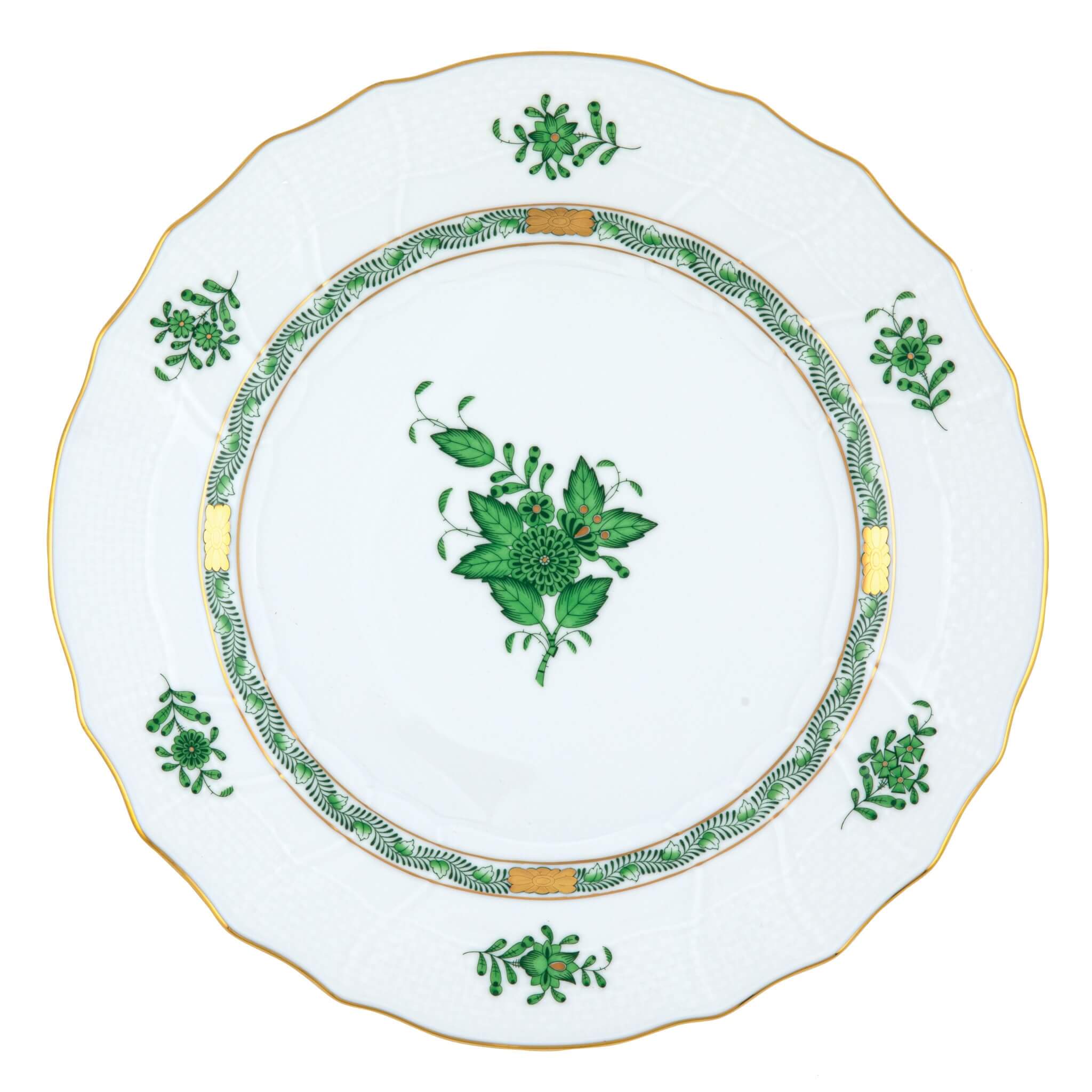
Chinese Bouquet is the name used in the United States for the pattern Herend calls Apponyi. Its birth is linked to Count Albert Apponyi, the Hungarian aristocrat and statesman, who in the 1930s ordered a simplified version of Indian Basket, known in French as Fleurs des Indes. The design first appeared in green and is now painted in many colors and combinations; in the turquoise-and-platinum version, platinum takes the place of gold.
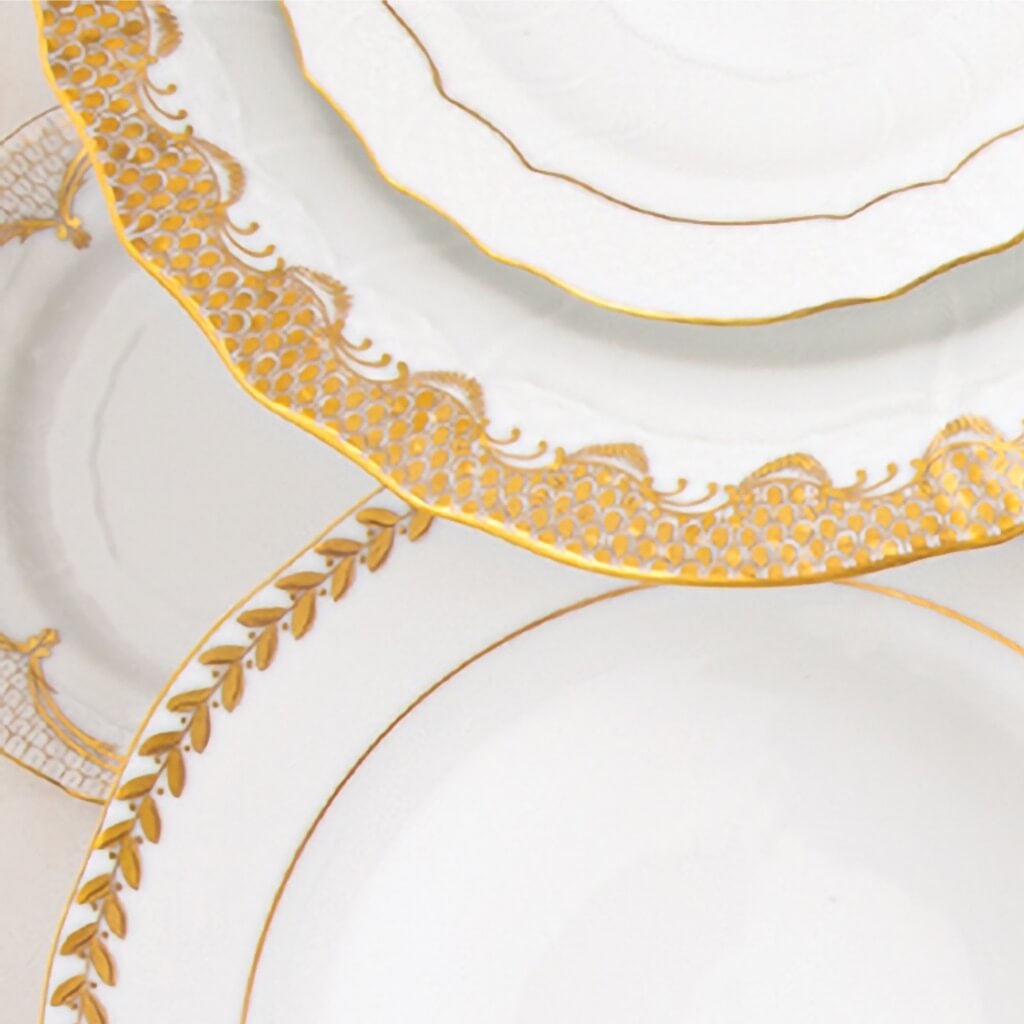
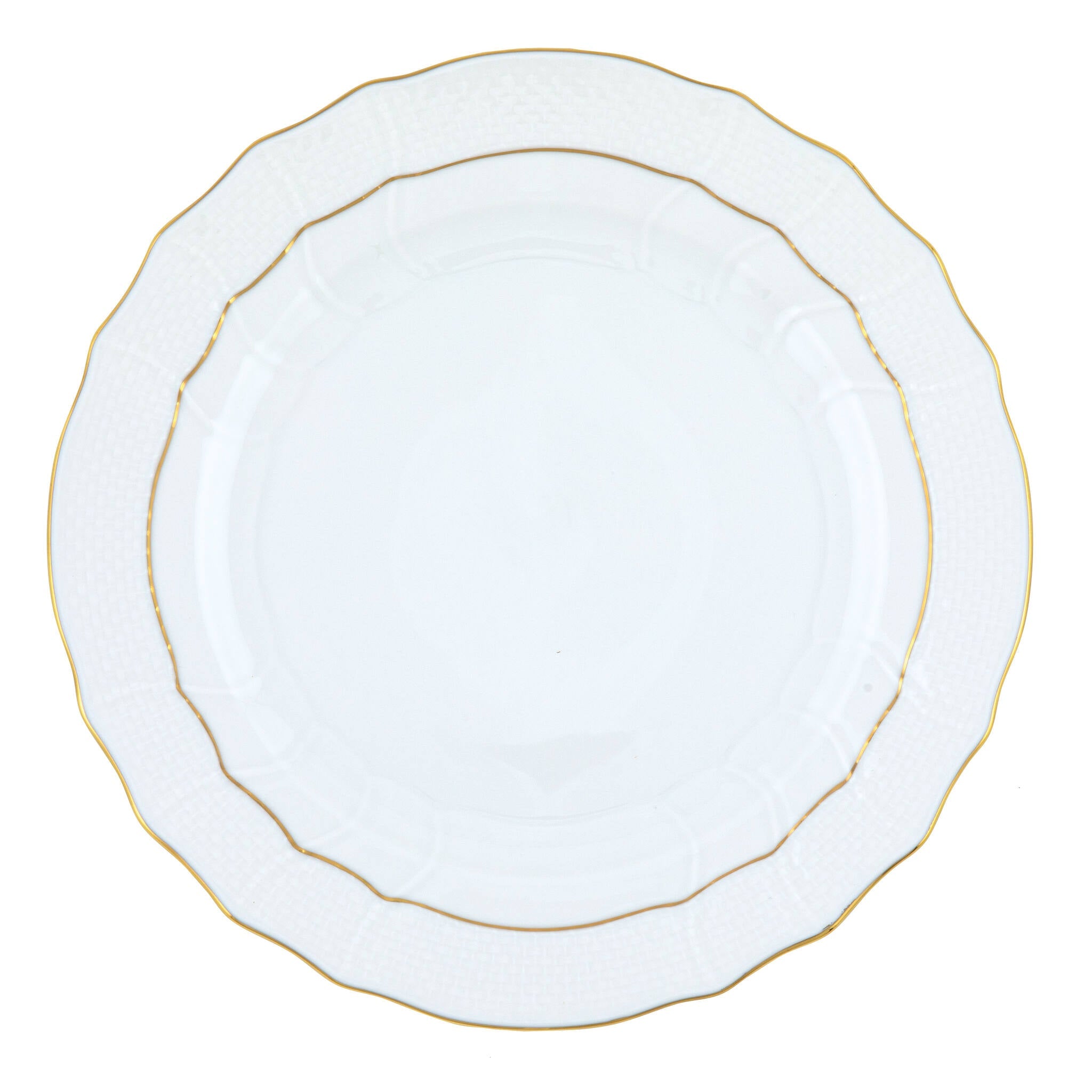
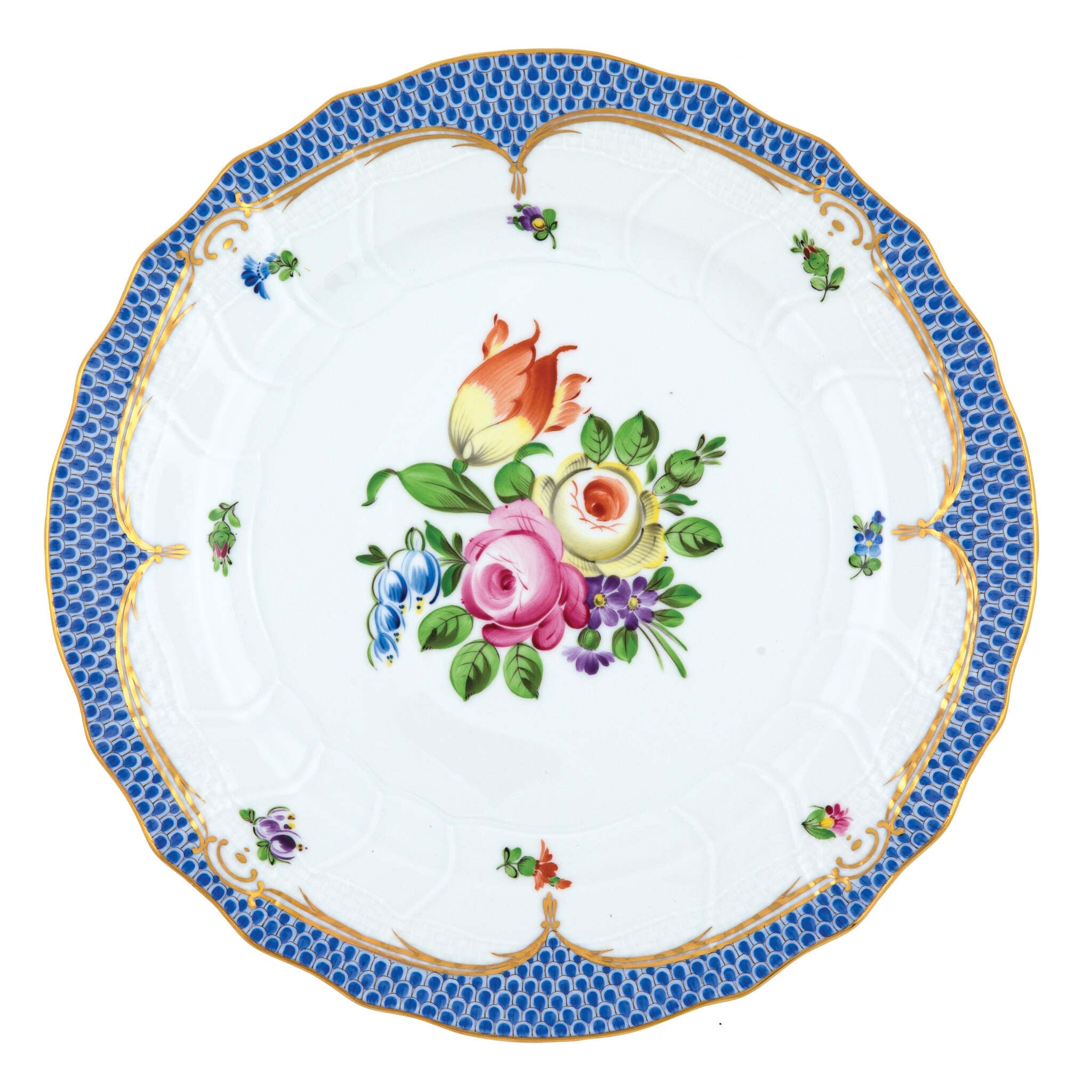
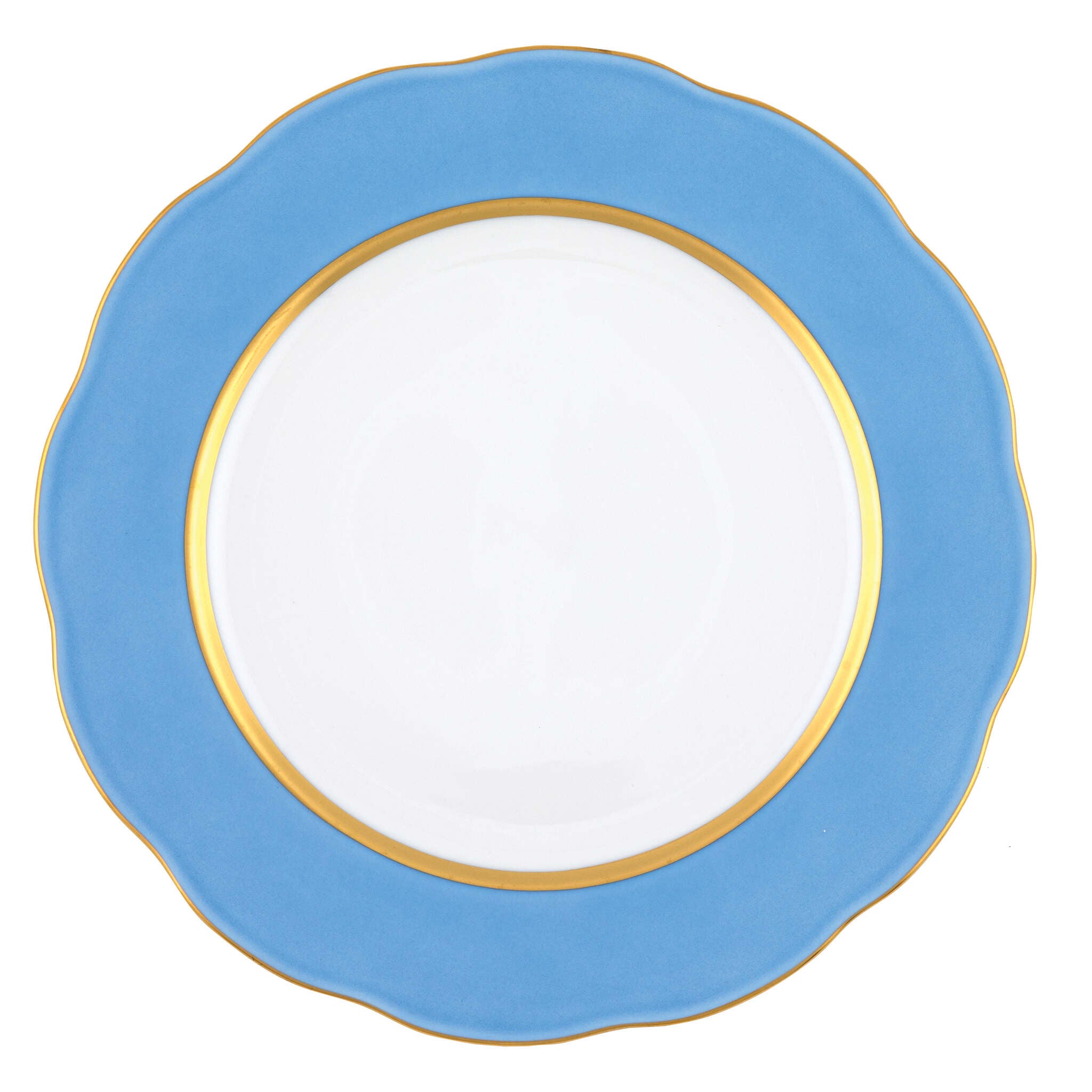
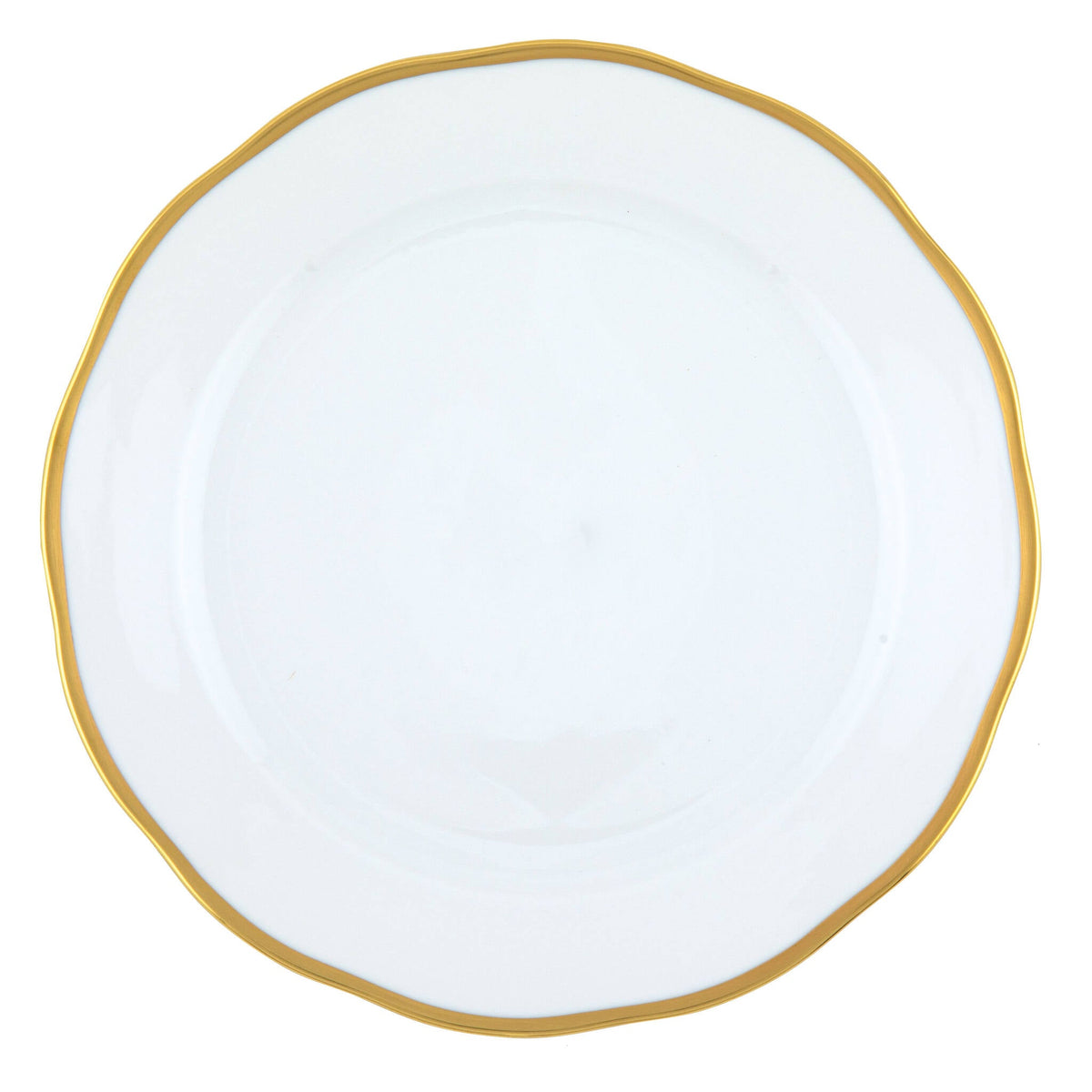
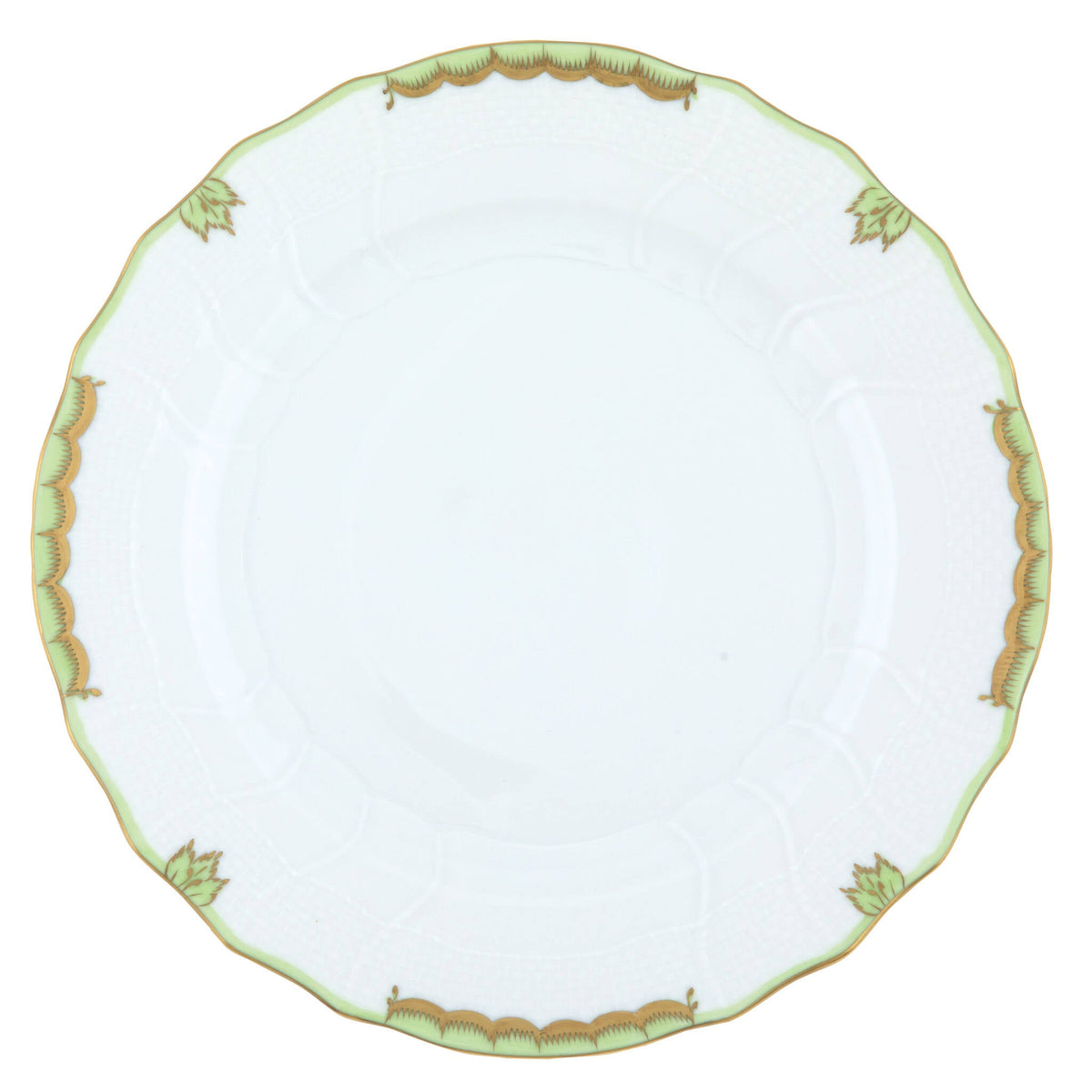
Fish Scale patterns are designed as companions: Herend pairs particular colors with Rothschild Bird, Queen Victoria and Chinese Bouquet. The motif has deep roots at the manufactory; according to the company, in 1858 an artist intrigued by the fish-scale design on a Chinese plate painted it onto a rooster figurine, the beginning of the fishnet decoration seen on Herend's animals today. For quieter tables, Golden Edge lets the white porcelain speak with a simple gilded rim, and Princess Victoria comes in a range of colors from blue and green to gray and pink.
Setting the Table and Caring for Herend
Herend is meant to be used, and its patterns are made to be combined. A Golden Edge or Fish Scale service plate under a Rothschild Bird dinner plate, or Chinese Bouquet dessert plates on a table set in a single color, lets a collection grow piece by piece without ever looking mismatched. A sensible way to begin is with a few place settings, adding serving pieces, teacups and saucers over the years.
Herend recommends hand washing in a mild detergent and avoiding abrasives and lemon-based soaps. Acidic foods are best not stored in painted porcelain for long periods, and felt pads or other padding between stacked plates will protect the surfaces. With that care, a Herend service remains ready for both everyday meals and the most important occasions, generation after generation.
Questions about Herend, a pattern or a missing piece? We are happy to help:
info@paristableware.com · (201) 652-4233