








Heritage
The Rosenthal Story
Rosenthal has always been as interested in ideas as in porcelain. From a small decorating workshop in a castle in Upper Franconia, the company grew into one of the great names in modern design, inviting architects, artists and designers to rethink what a plate or a teapot could be.
A Painting Studio in a Castle
When Philipp Rosenthal returned to Germany from America in 1879, he set up a porcelain painting business at Erkersreuth Castle in Selb. His first major commercial success, in 1886, was a humble ashtray that the company still describes as a "little resting place for burning cigars." In 1891 he began producing porcelain in his own factory, and in 1897 the company became Porzellanfabrik Ph. Rosenthal & Co. AG.
In 1916 Philipp Rosenthal married Maria, and a new service took her name. Maria was modeled on a silver tea service from around 1815 that he had acquired on a trip to England. By the 1920s and 1930s it had grown to around 170 individual pieces, and Rosenthal still calls it its most extensive table service. The founder's later years were darkened by politics: in 1934 he was forced out of the company because of his Jewish ancestry, and he died in 1937.
Philip Rosenthal and the Studio-Line
The modern Rosenthal was shaped by the founder's son, Philip Rosenthal, who joined the company in 1950 and led it as chairman from 1958 to 1981. In 1960 the first Rosenthal Studio House opened in Nuremberg, and in 1961 he created the Rosenthal studio-line, a design program that brought in figures such as Raymond Loewy, Tapio Wirkkala and Walter Gropius.
Gropius, the founder of the Bauhaus, left a particularly deep mark. Philip Rosenthal asked him to design a new factory, Rosenthal am Rothbühl in Selb, which was completed in 1967. Two years later, Gropius and his Boston office, The Architects Collaborative, designed the TAC porcelain range, named after the firm. Its tea service went on to become a cult classic.
The company has continued that open-door approach ever since. In 1992 it began its long partnership with Gianni Versace, in 2009 it became part of the Arcturus Group alongside Sambonet, and in 2017 and 2025 the Junto and Sonetto collections made their debuts at the Ambiente fair in Frankfurt. Rosenthal porcelain is made today at Rosenthal am Rothbühl in Selb and at the Thomas am Kulm factory in Speichersdorf, both in Germany.
The Signature Patterns
TAC remains a cornerstone of our Rosenthal dinnerware. TAC 02 builds on Gropius's legacy with a program developed from his sketches in close cooperation with the Bauhaus foundation in Dessau.
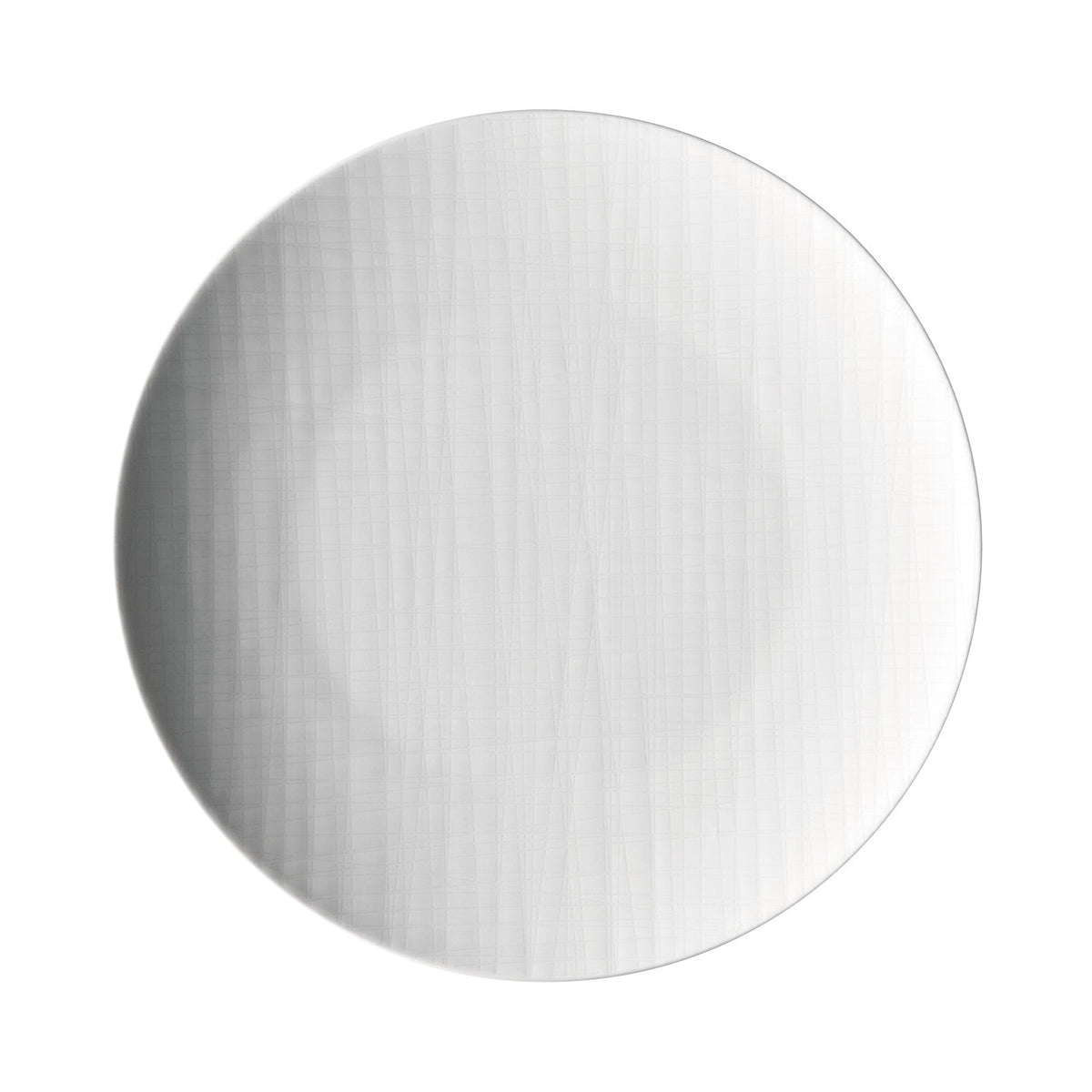
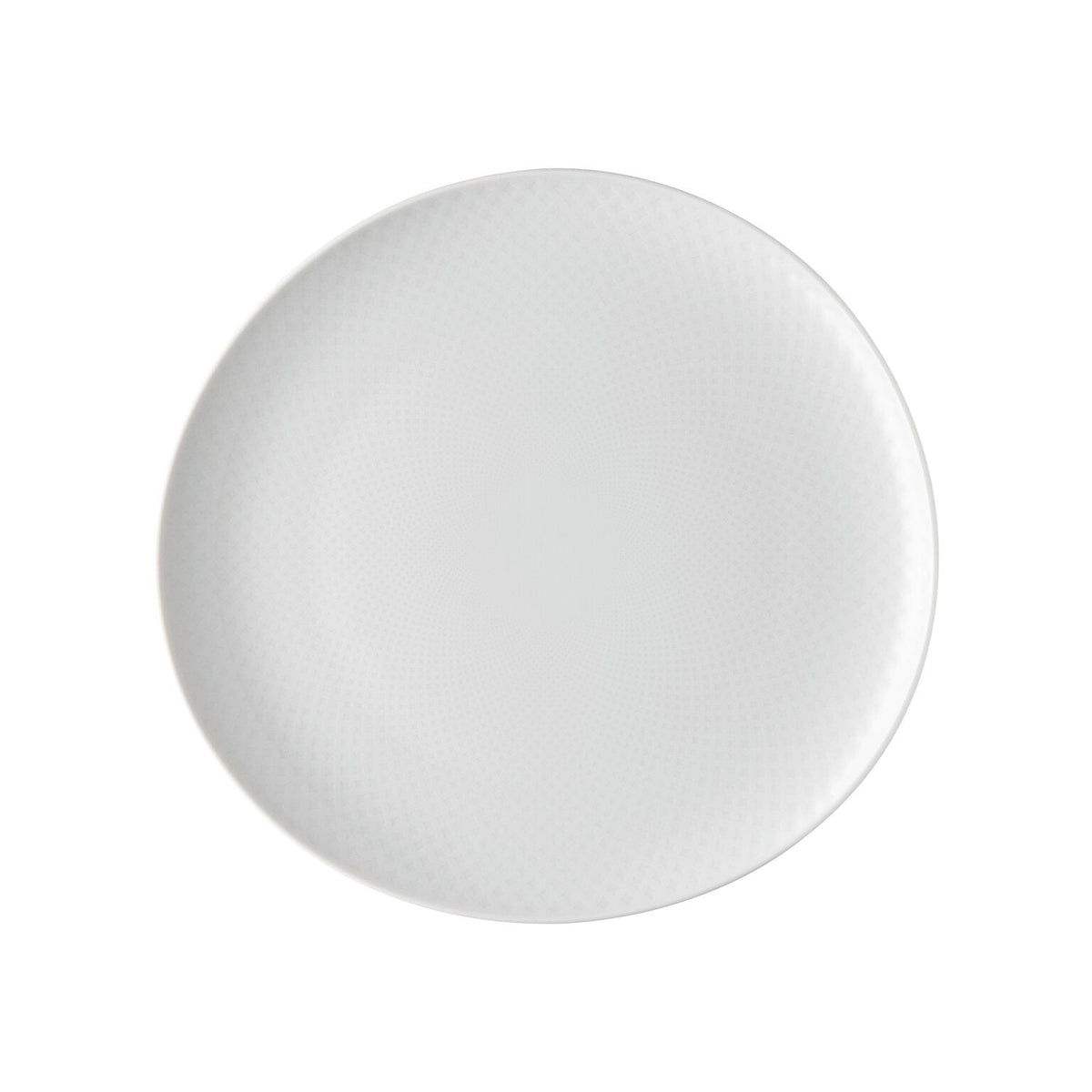
Mesh, designed by the Spanish industrial designer Gemma Bernal, is covered in a fine raised mesh structure that catches the light. Bernal draws ideas for her porcelain from conversations with Spanish chefs and cookery schools. Junto takes a more relaxed path, with strong, earthy stoneware pieces finished in a reactive glaze.
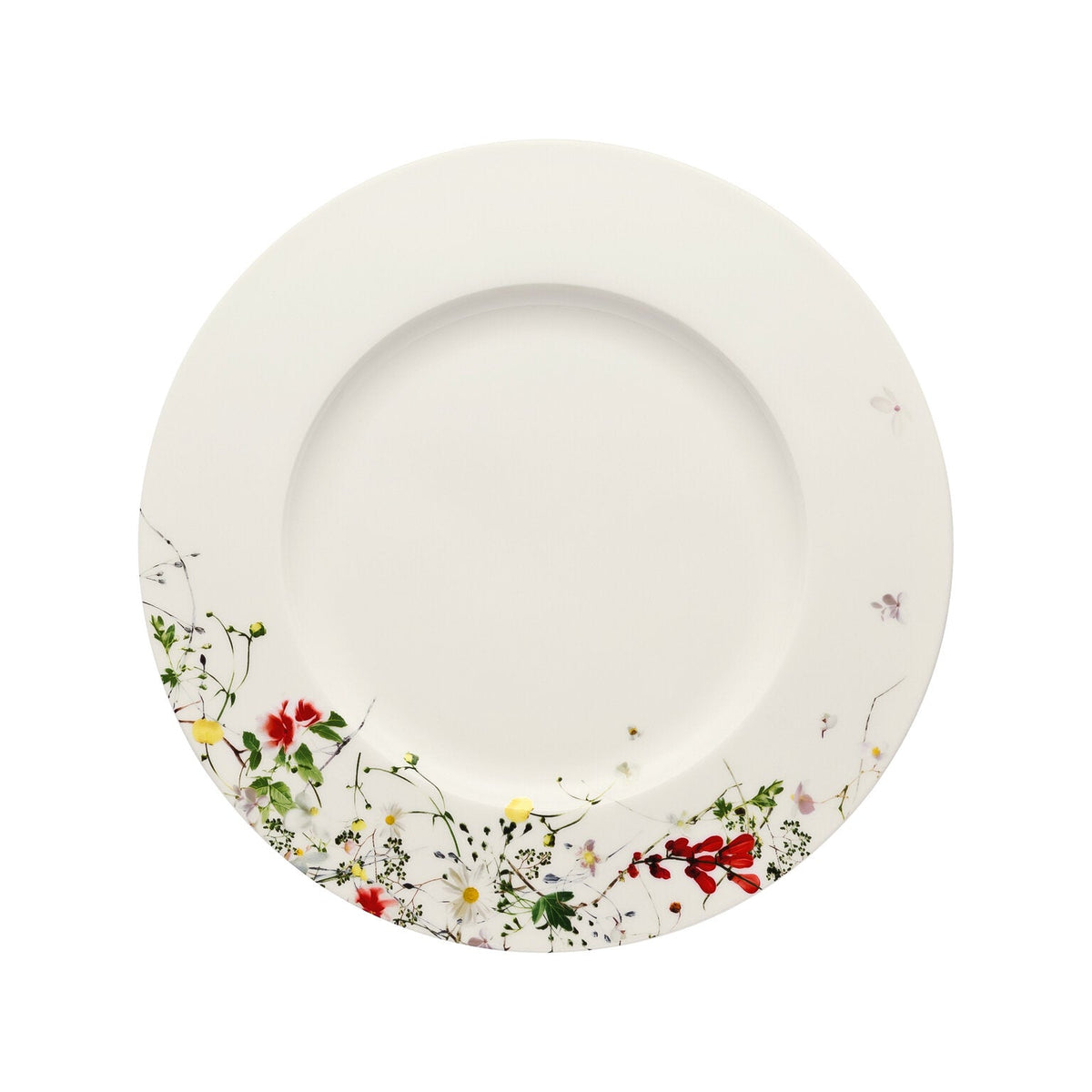
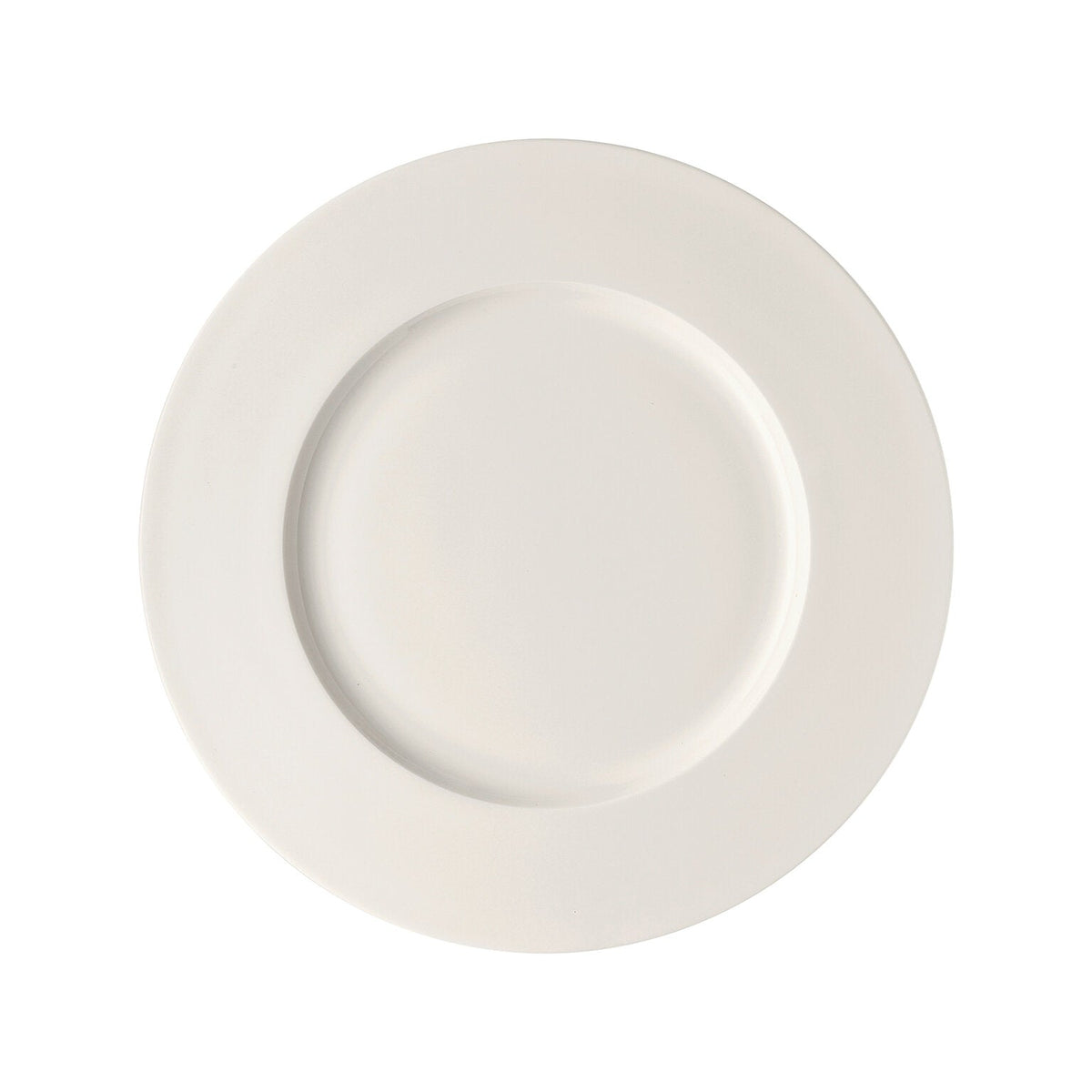
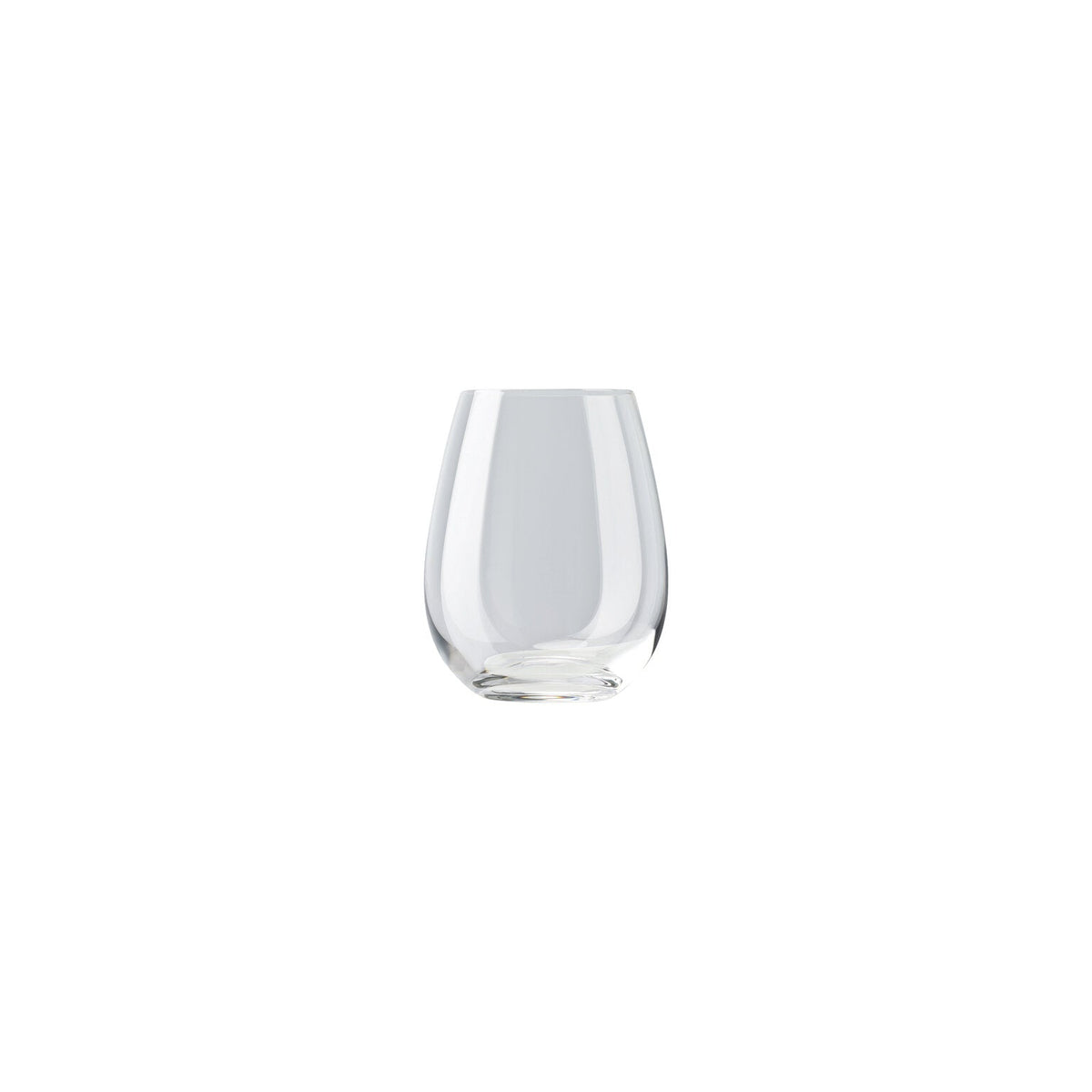
For a softer, more romantic table, Brillance is made in bone china, and its Fleurs Sauvages decoration scatters red and yellow wildflowers along delicate branches. The classic Maria shape carries more than a century of family history, while Sonetto, the newest of these lines, received a German Design Award in the year of its launch. DiVino brings the same design thinking to glassware.
Setting the Table
Rosenthal's modern shapes are easy to combine. A white TAC or Mesh dinner plate makes a calm foundation, and Junto bowls or Brillance salad plates can be layered on top for color and texture. Because many Rosenthal lines share the same clean sensibility, pieces from different collections often sit together naturally on one table.
The tea and coffee pieces bring these designs to the coffee and tea table, from a weekday espresso to an afternoon tea. Our serveware adds platters and bowls for sharing, and the barware collection brings glasses that suit the same modern table.
As with any fine porcelain, pieces with gold or platinum decoration are best washed by hand with a mild detergent and dried with a soft cloth. Plain white porcelain is made for daily use, and the best way to enjoy a Rosenthal service is simply to use it often.
Questions about Rosenthal, a pattern or a missing piece? We are happy to help:
info@paristableware.com · (201) 652-4233