


























Heritage
The Ginori 1735 Story
Few porcelain houses carry a history as long as Ginori 1735. Its name records the year the story began, and nearly three centuries later the house still draws on the shapes, drawings and decorations kept from its earliest days at Doccia, today part of Sesto Fiorentino on the edge of Florence. To set a table with Ginori is to borrow a little of that Florentine memory.
A Marquis and His Manufactory
The founder, Marquis Carlo Andrea Ginori, set up the future Manifattura di Doccia in a villa on his family estate. He was no distant patron. Carlo was a chemist himself, and the archives show that he alone guarded the "arcanum," the closely held formula for the porcelain paste. In 1741 the Grand Duchy of Tuscany granted him its privilege to make porcelain.
He surrounded himself with skilled hands. Gaspero Bruschi served as chief modeler and sculptor, and the painter Johann Carl Wendelin Anreiter von Ziernfeld led the painting workshop. After Carlo's death in 1757, his descendants carried the manufactory forward for more than a century, adapting to new styles and new kilns. In 1896 the family sold the business to the Milanese industrialist Giulio Richard, and the company became Richard-Ginori.
The Gio Ponti Decade
The twentieth century brought a second golden age. From 1923 to 1933 the architect and designer Gio Ponti served as artistic director of the manufactory, and his work for the house won a Grand Prix at the 1925 International Exhibition of Modern Decorative and Industrial Arts in Paris.
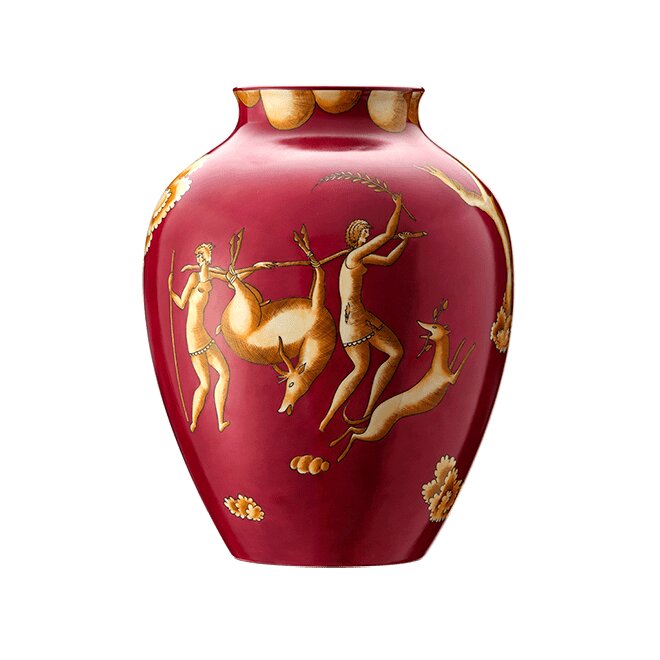
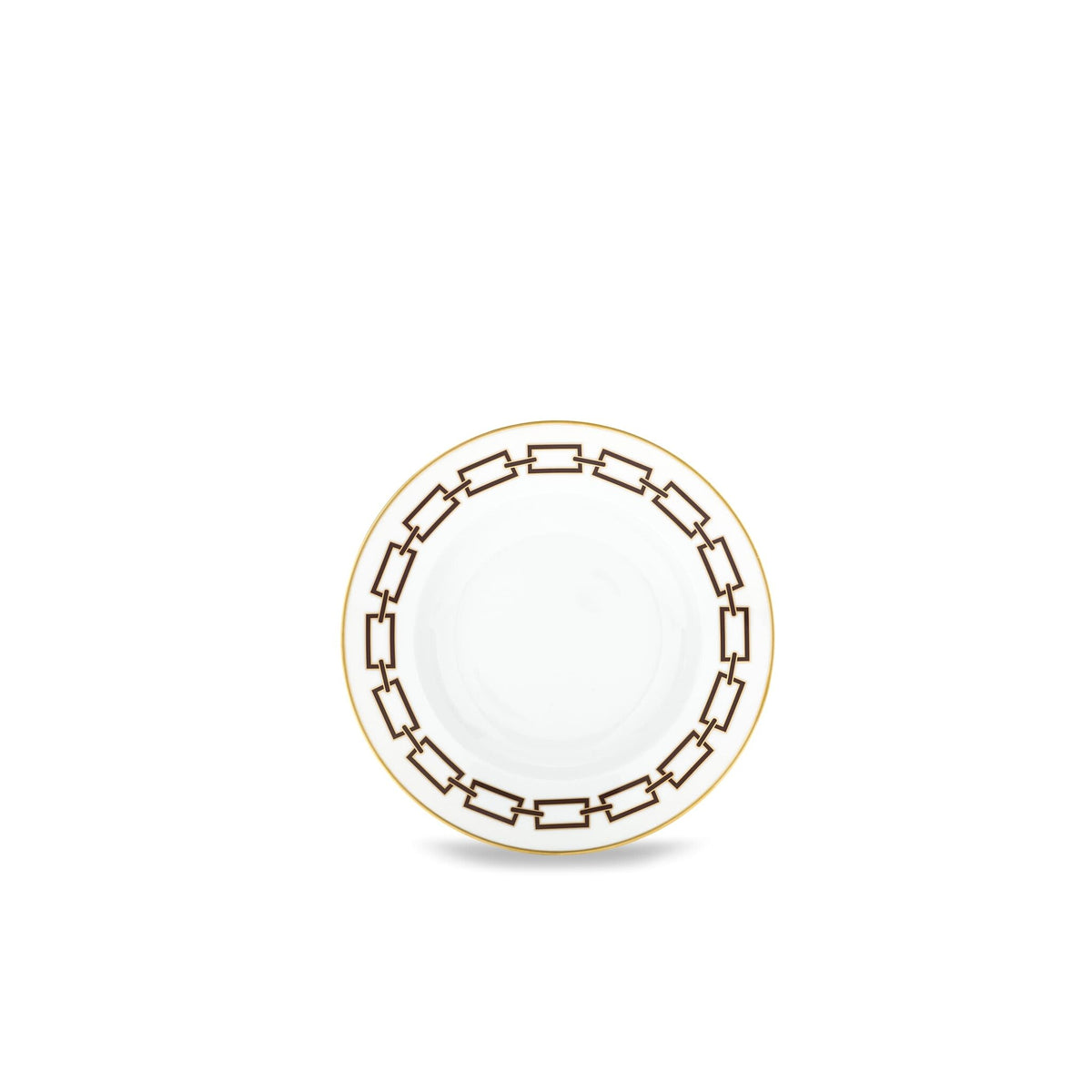
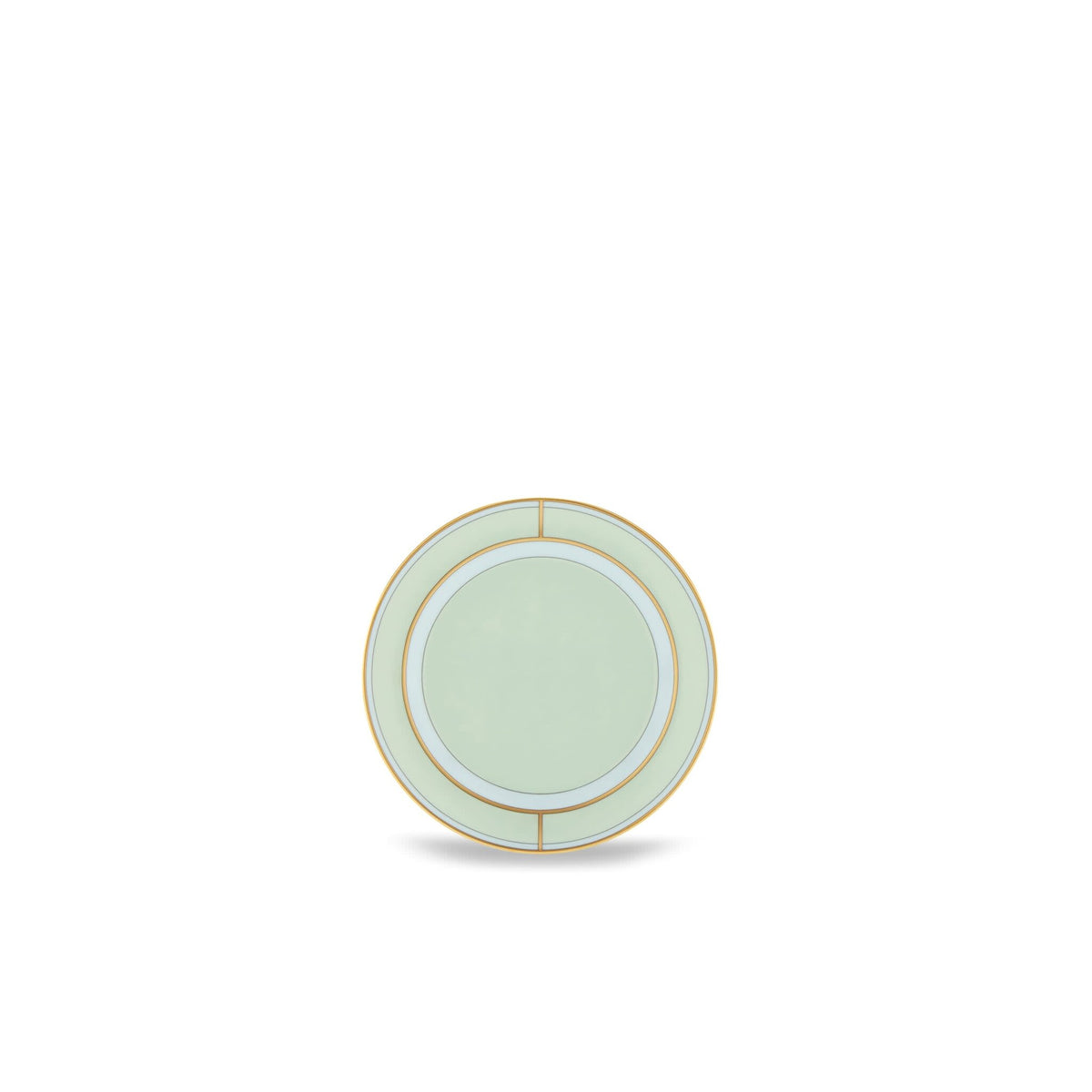
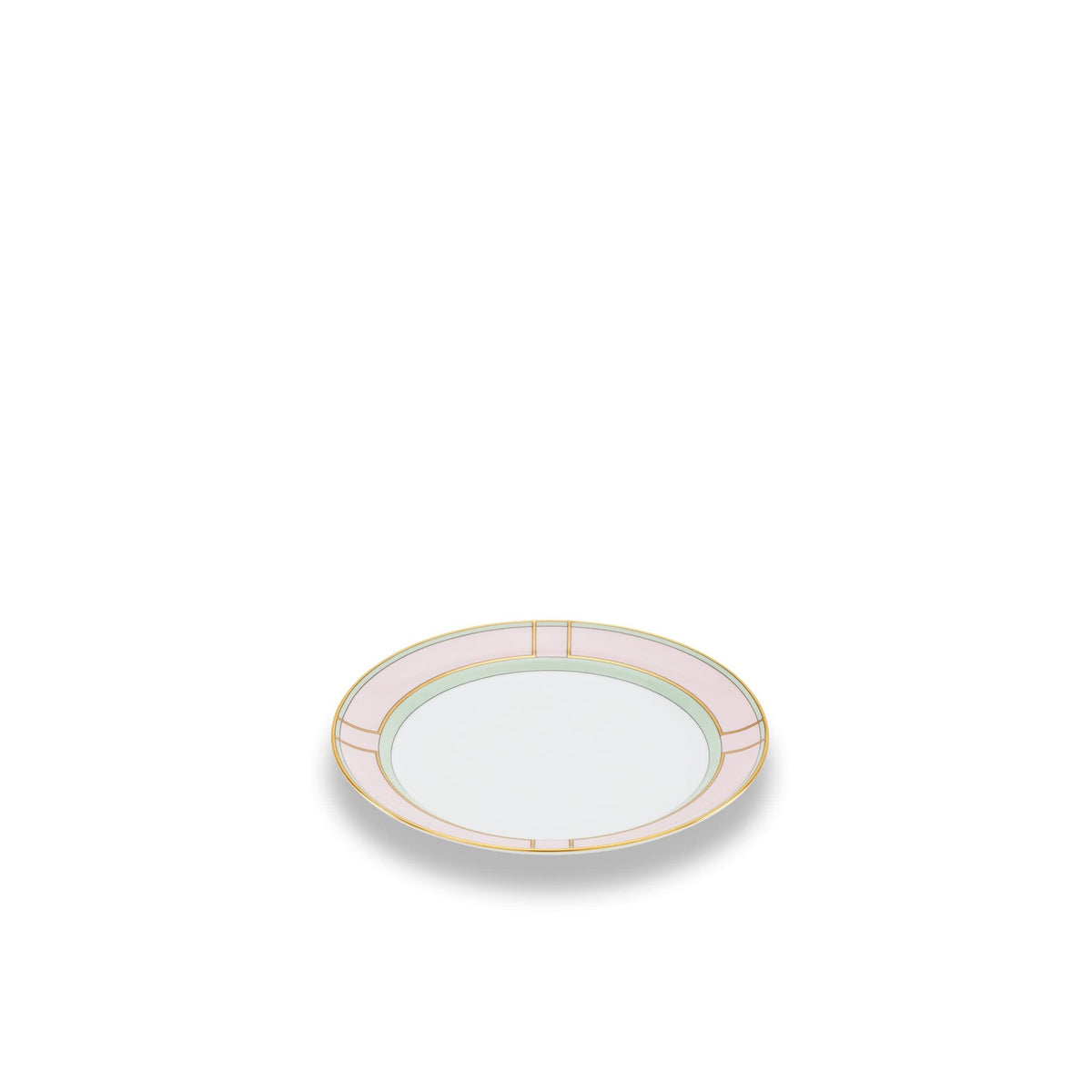
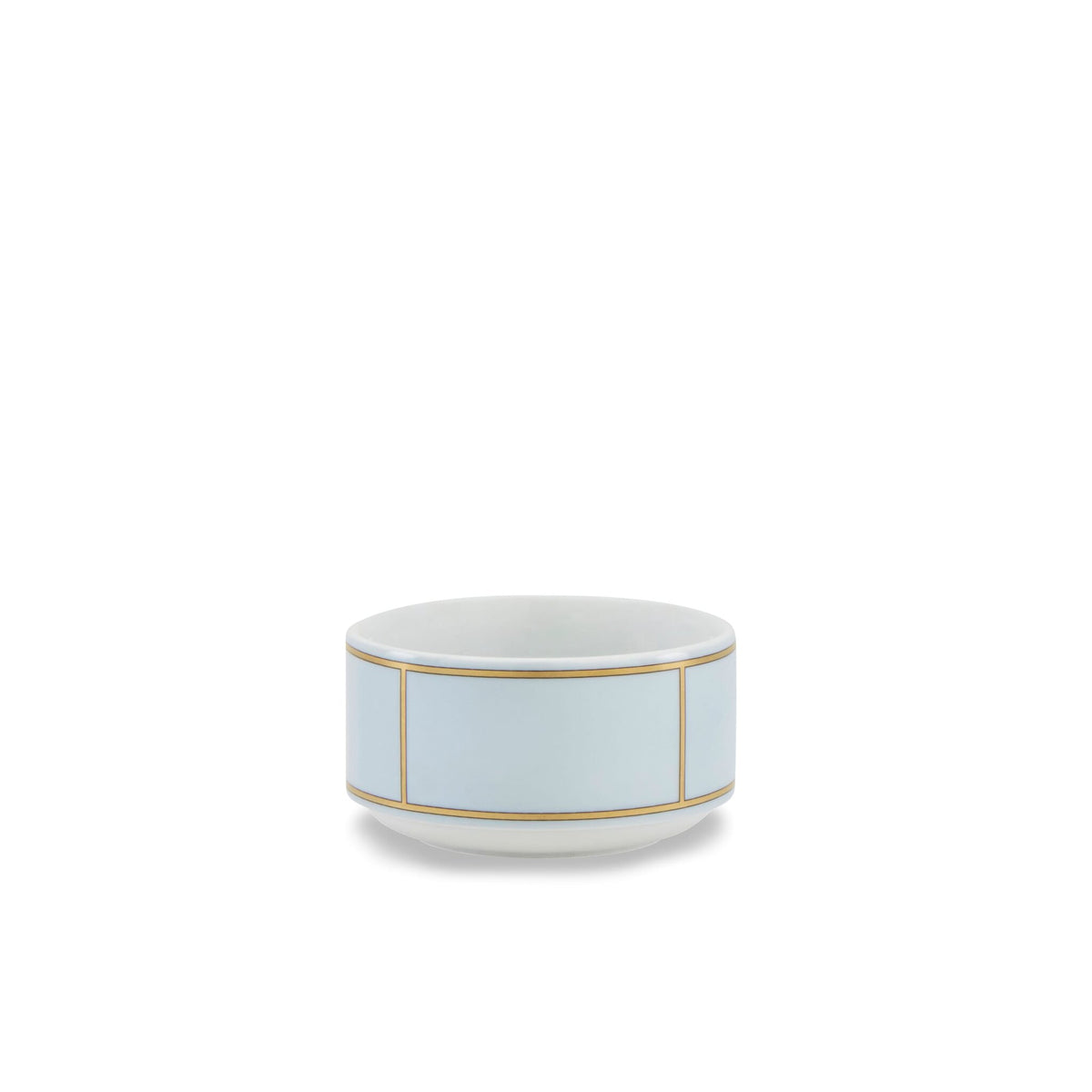
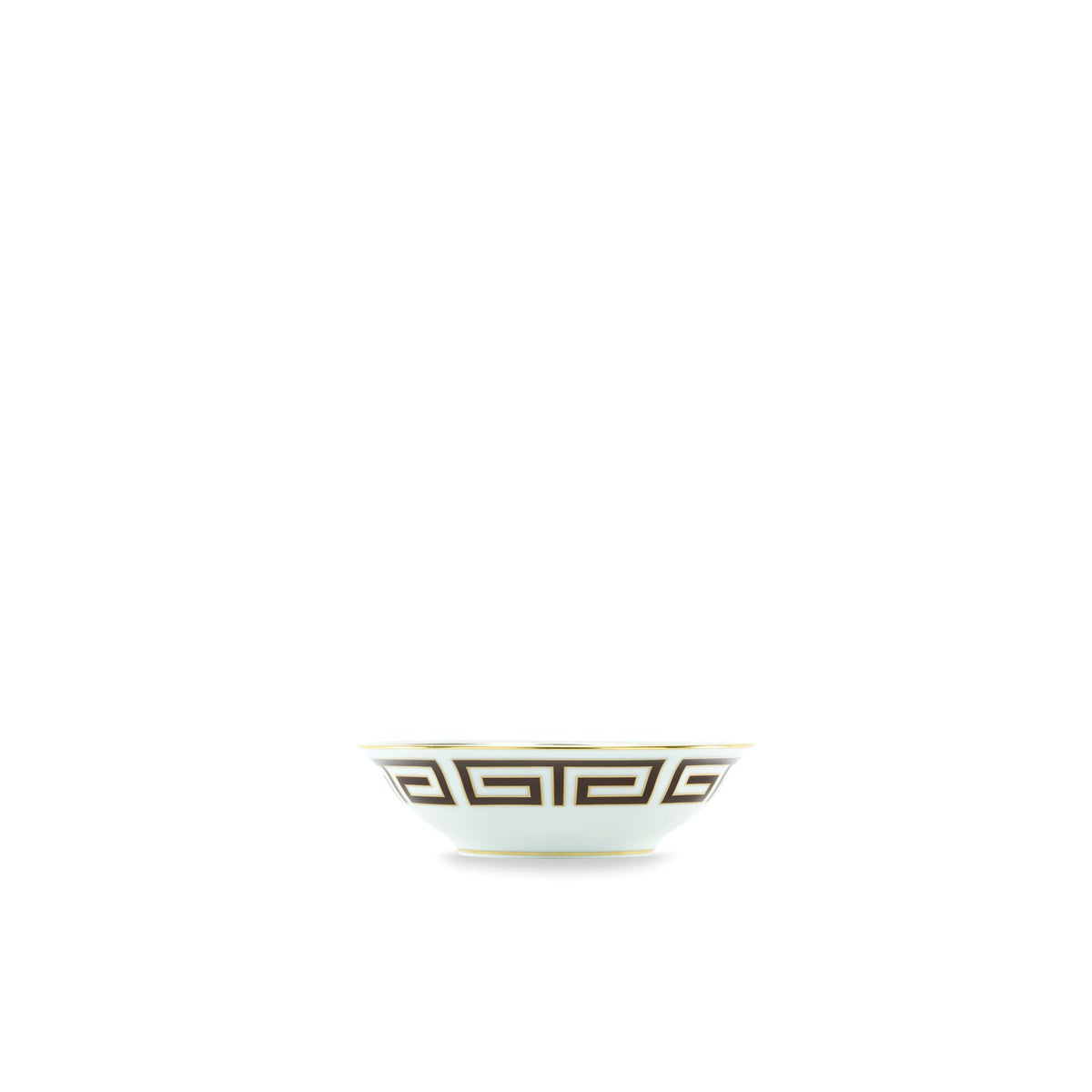
Two of his designs live on as table collections. Labirinto is a geometric pattern finished with a fine platinum thread, offered in colors such as sapphire, scarlet, emerald and black, while Catene is its graphic companion. Ponti's vases, plates and objects are gathered today in the Arte di Gio Ponti line. Among those who learned under him was Giovanni Gariboldi, who joined in 1926 as an apprentice model maker and later became artistic director himself.
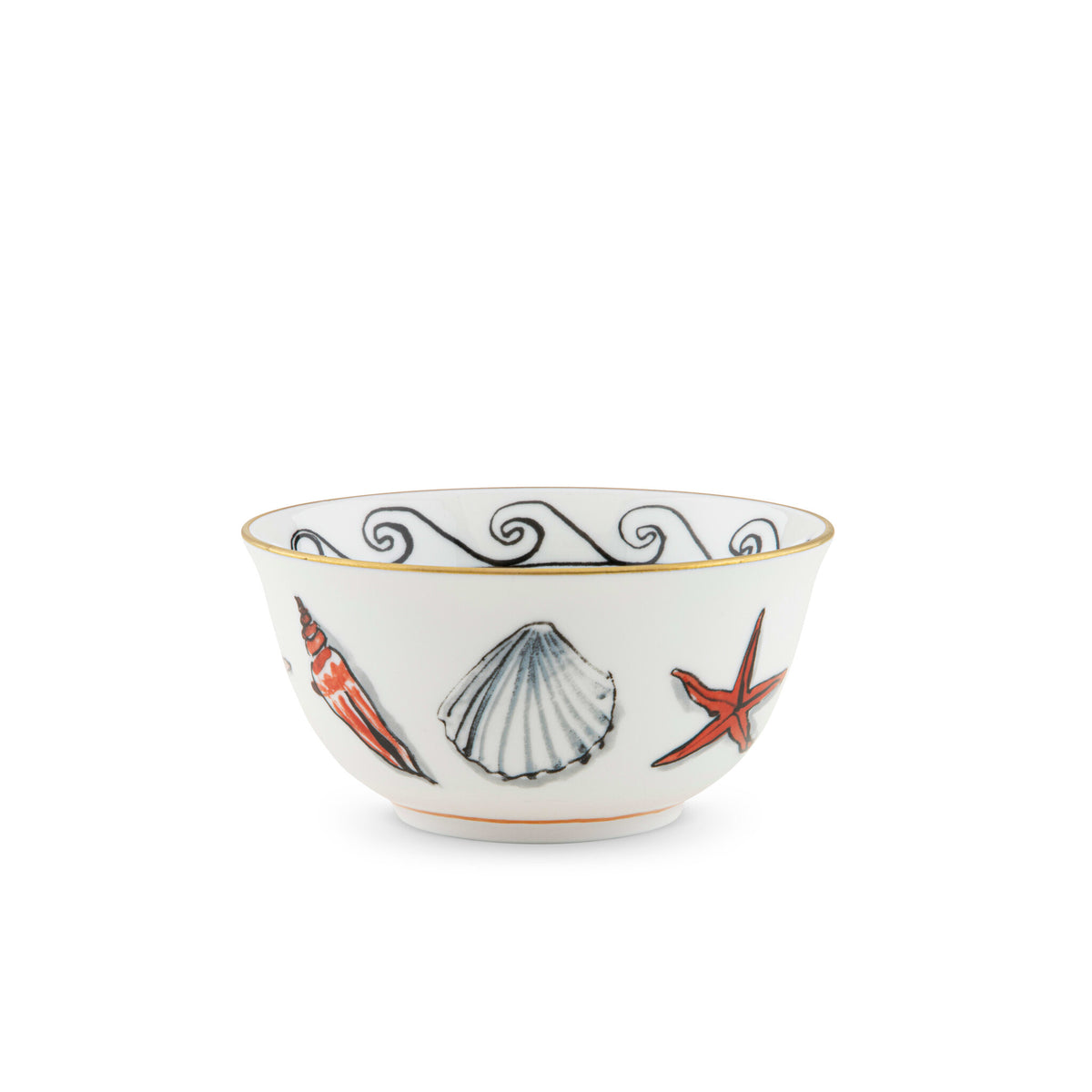
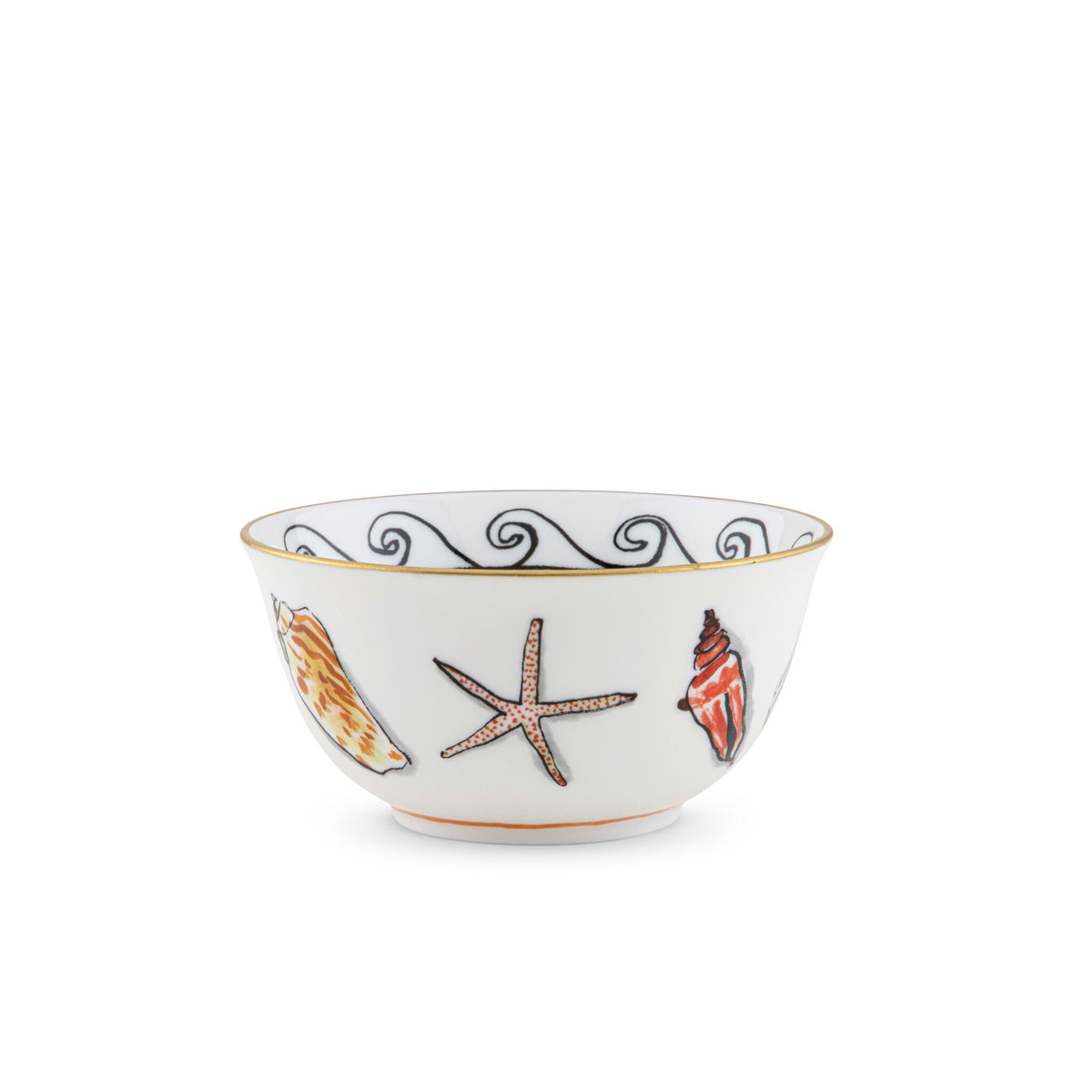
In 2013 the manufactory was acquired by Gucci, and the house now carries the name Ginori 1735. Its recent work includes collaborations with the British artist Luke Edward Hall, whose Il Viaggio di Nettuno, "Neptune's voyage," fills plates and cups with mermen, sea horses, fish and octopi in a playful nod to Greco-Roman mythology.
The Signature Patterns
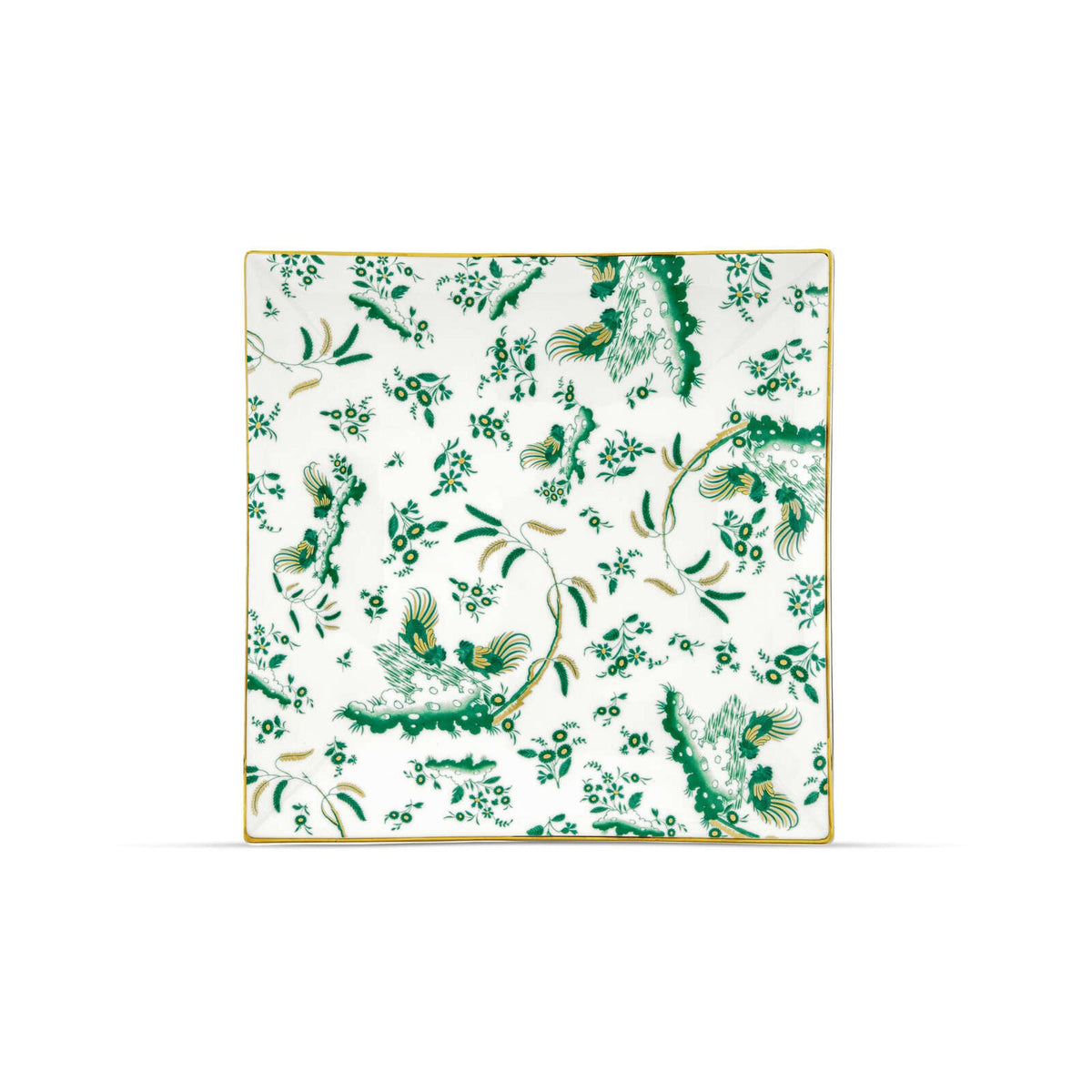
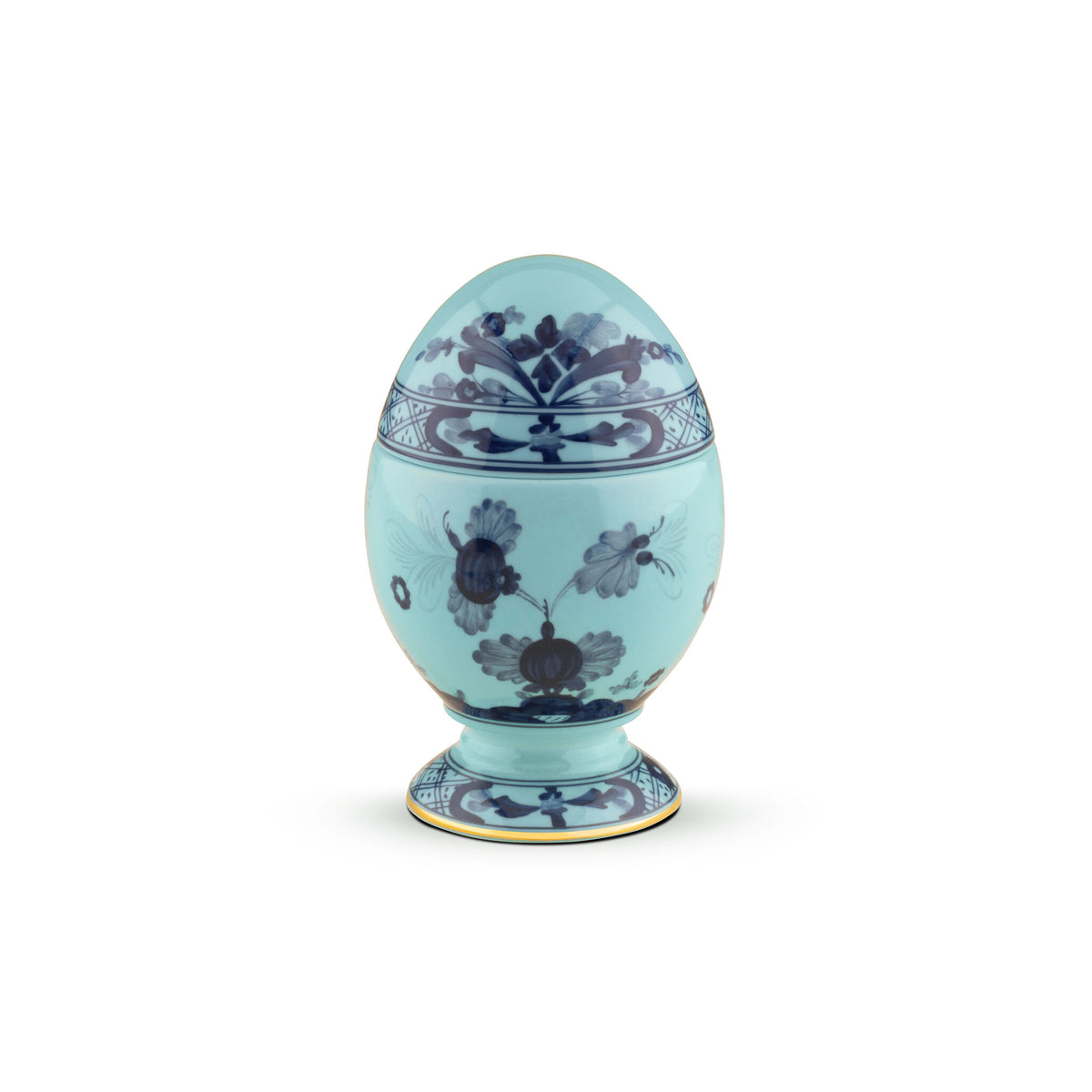
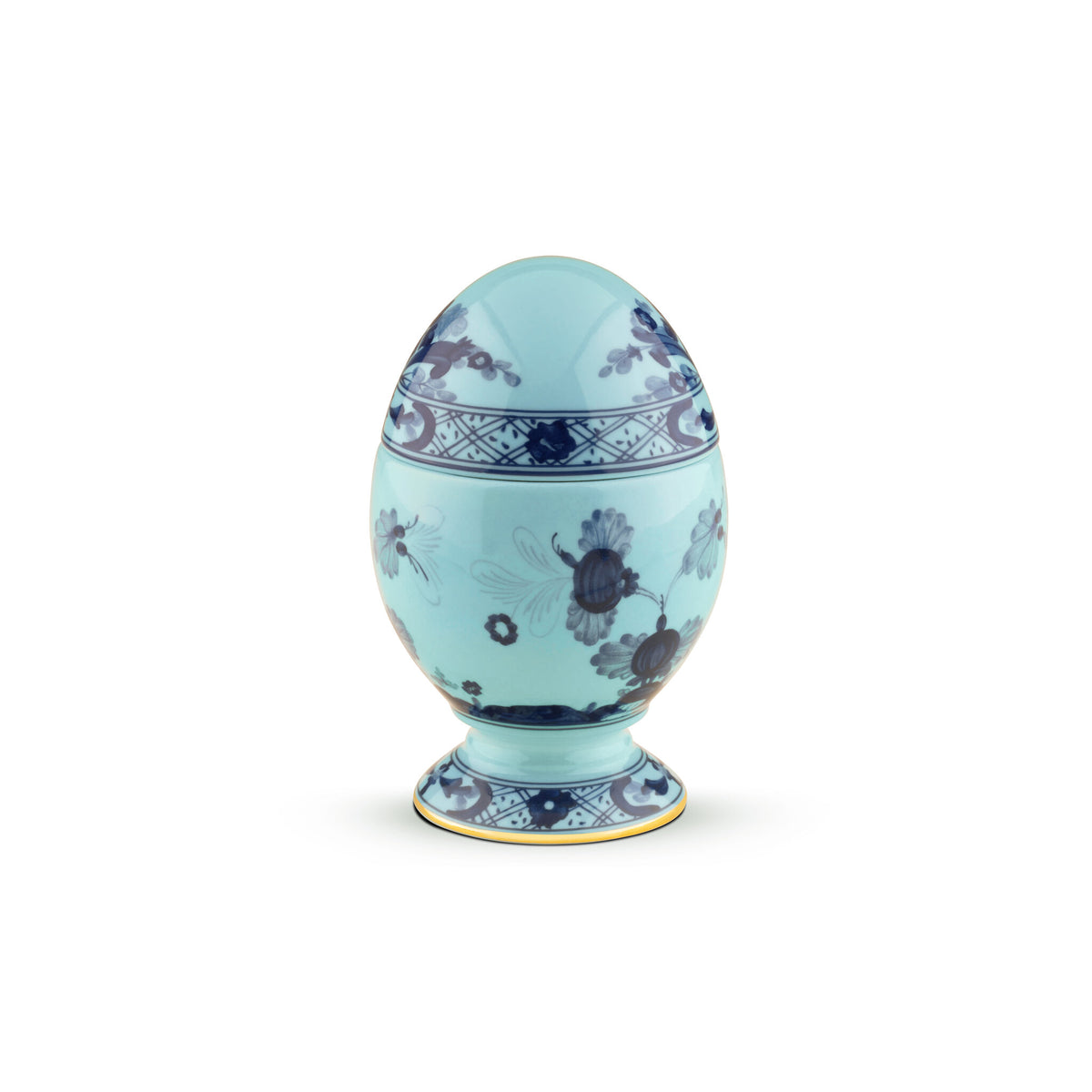
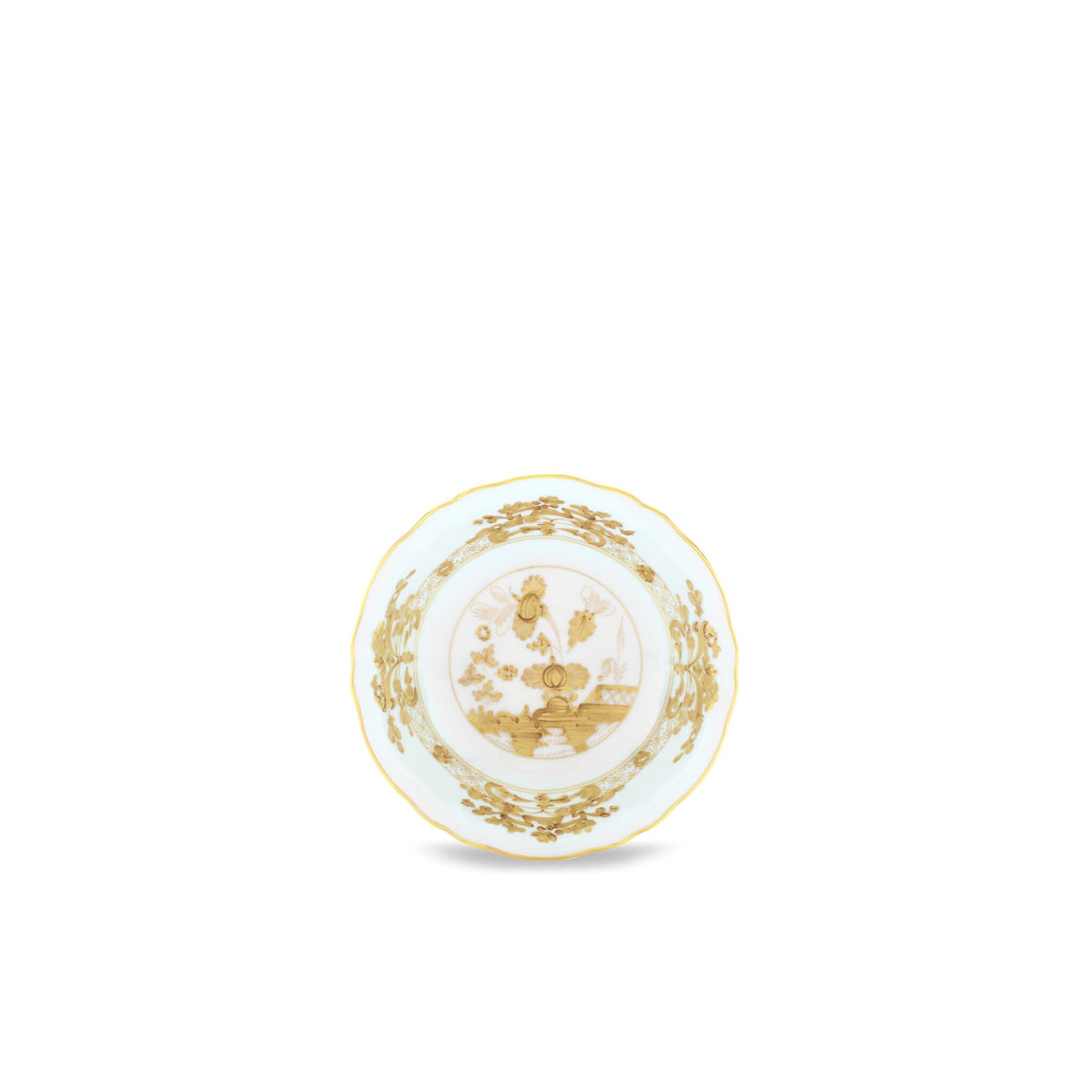
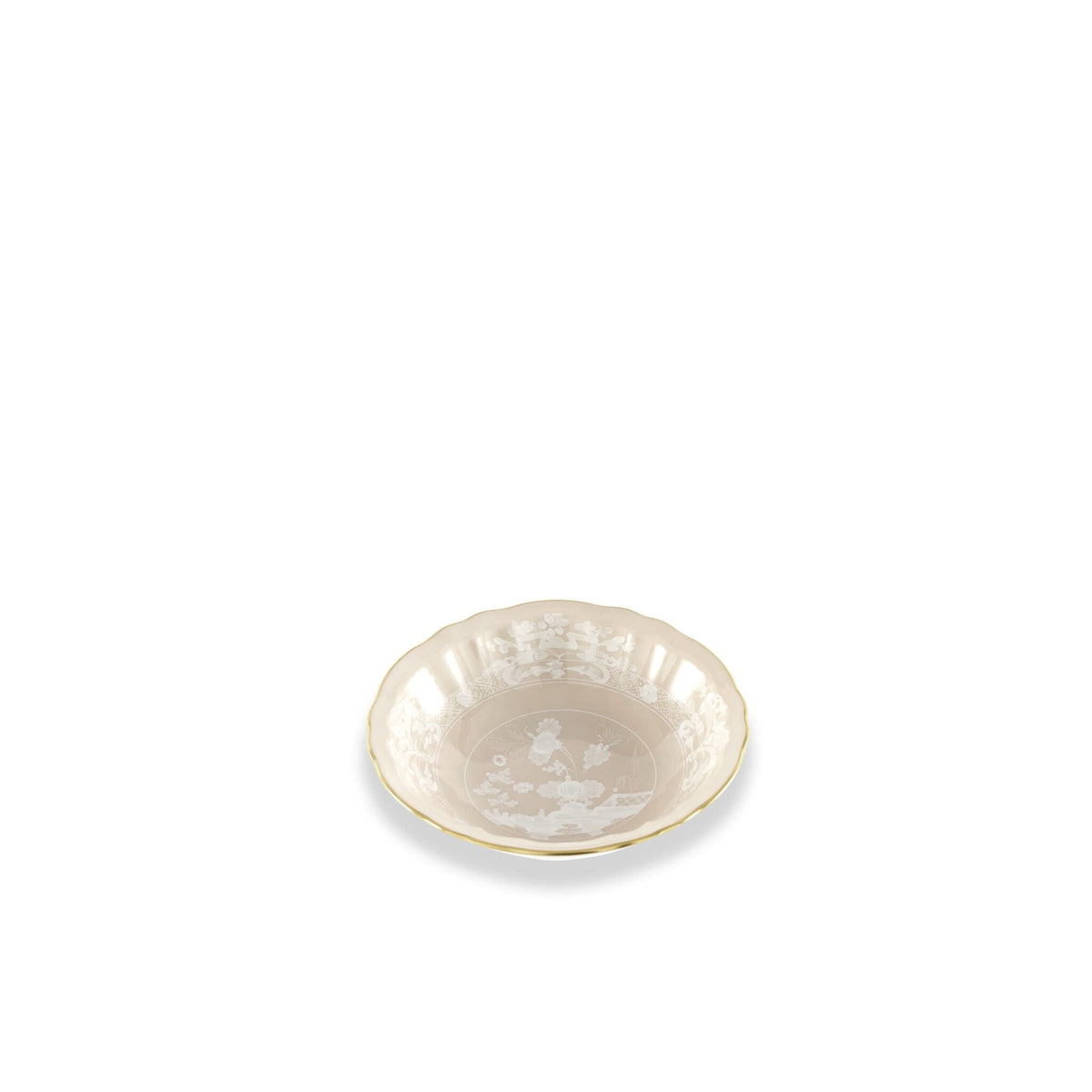
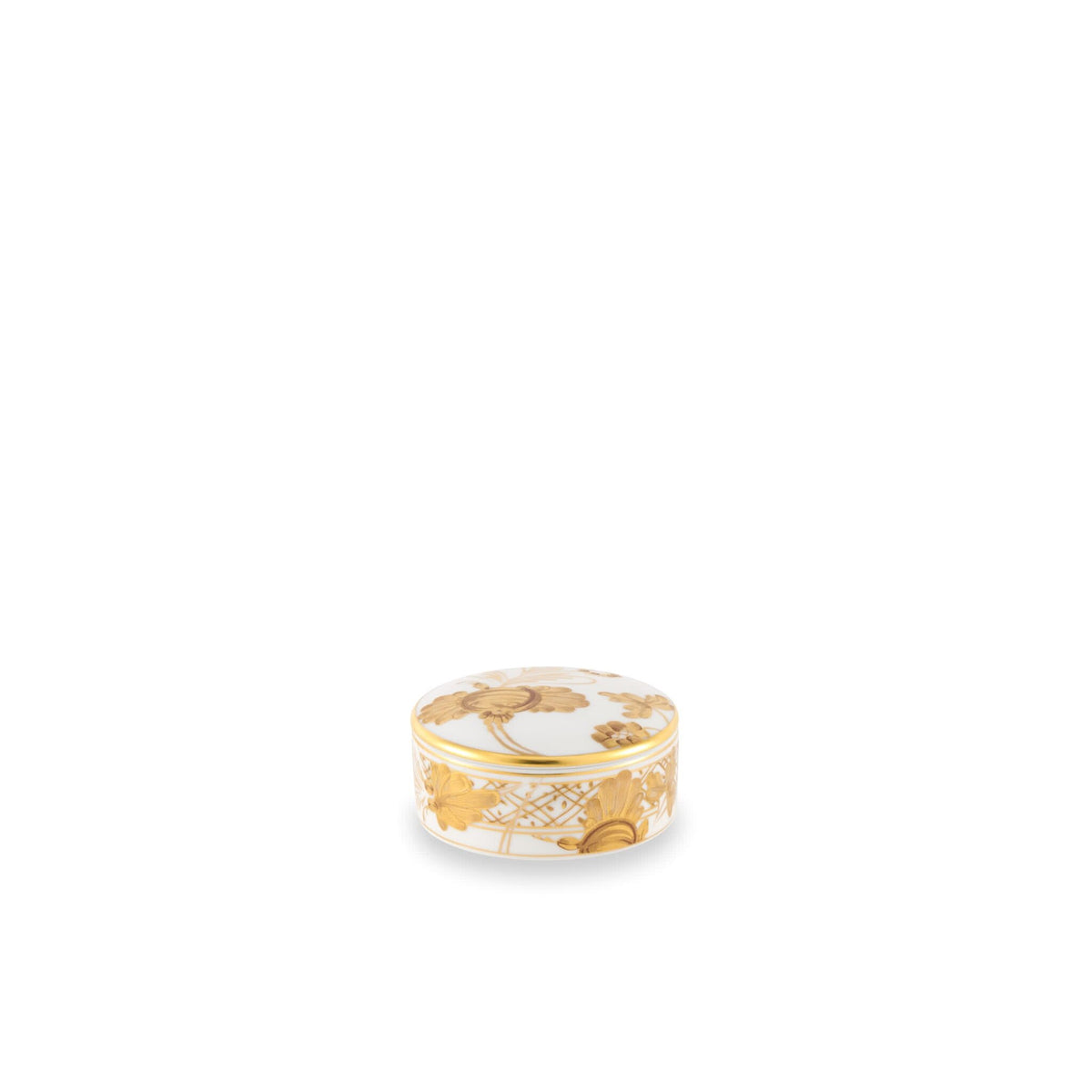
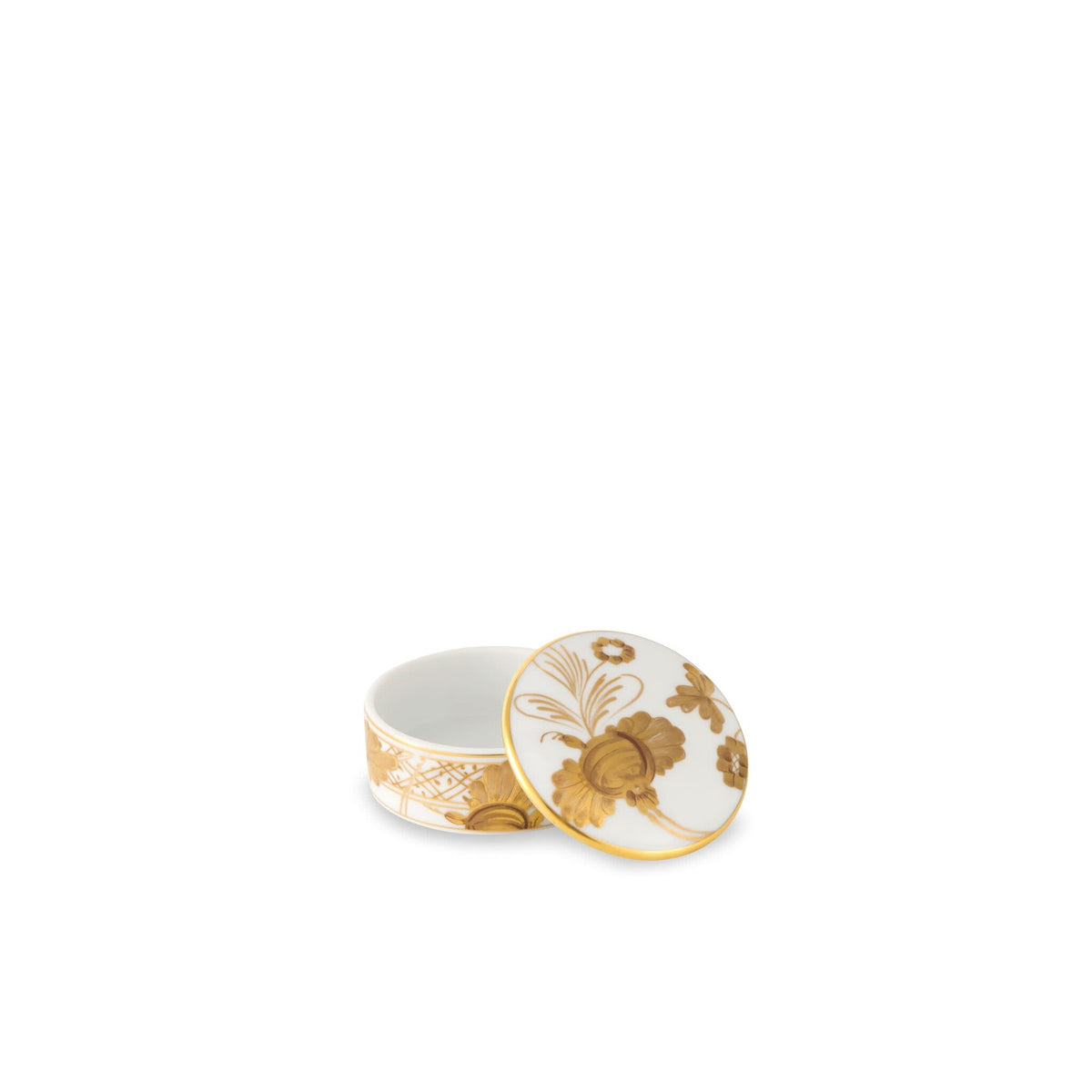
One of the house's flagship patterns is Oriente Italiano. Its carnation motif wraps around the historic Antico Doccia shape and evokes an imaginary oriental garden. It comes in many colors, from iris blue and periwinkle to malachite green, barium green and azalea pink, and some pieces add lustrous gold threading.
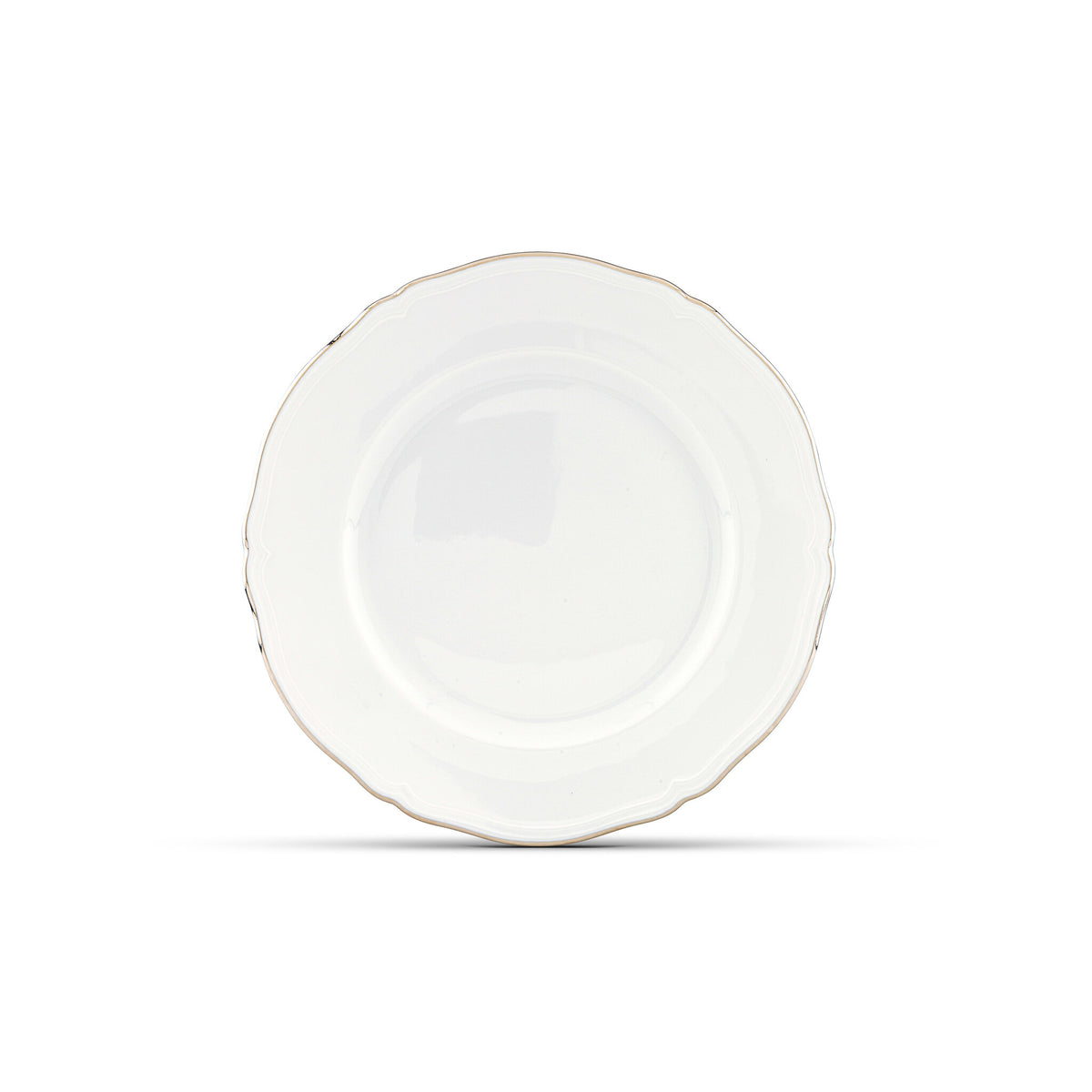
Behind it stand two white classics. Antico Doccia is among the oldest shapes of the Florentine house and takes its name from the manufactory where it was first created. Vecchio Ginori is calmer still, with soft and harmonious lines. Both make a quiet foundation for the more decorated patterns across our Ginori 1735 dinnerware.
Oro di Doccia brings gilded roosters drawn from eighteenth-century sketches by Ferdinando Campostrini, in shades of turquoise, jade and magenta. Voliere plays with color in a different way, breaking each design down into a wide range of shades. Granduca moves the story from porcelain to glass, with mouth-blown crystal goblets, tumblers and decanters in recognizable ribbed and star-cut shapes. Corona, Diva and Il Viaggio di Nettuno round out a collection that moves easily between the formal and the playful.
Setting the Table
Ginori pieces are made to be mixed. The house itself pairs Labirinto with Catene for layered settings, and the white Antico Doccia and Vecchio Ginori shapes sit comfortably under almost any decorated plate. A simple approach is to choose white dinner plates and add Oriente Italiano salad or dessert plates in two or three colors, so the table feels collected rather than matched.
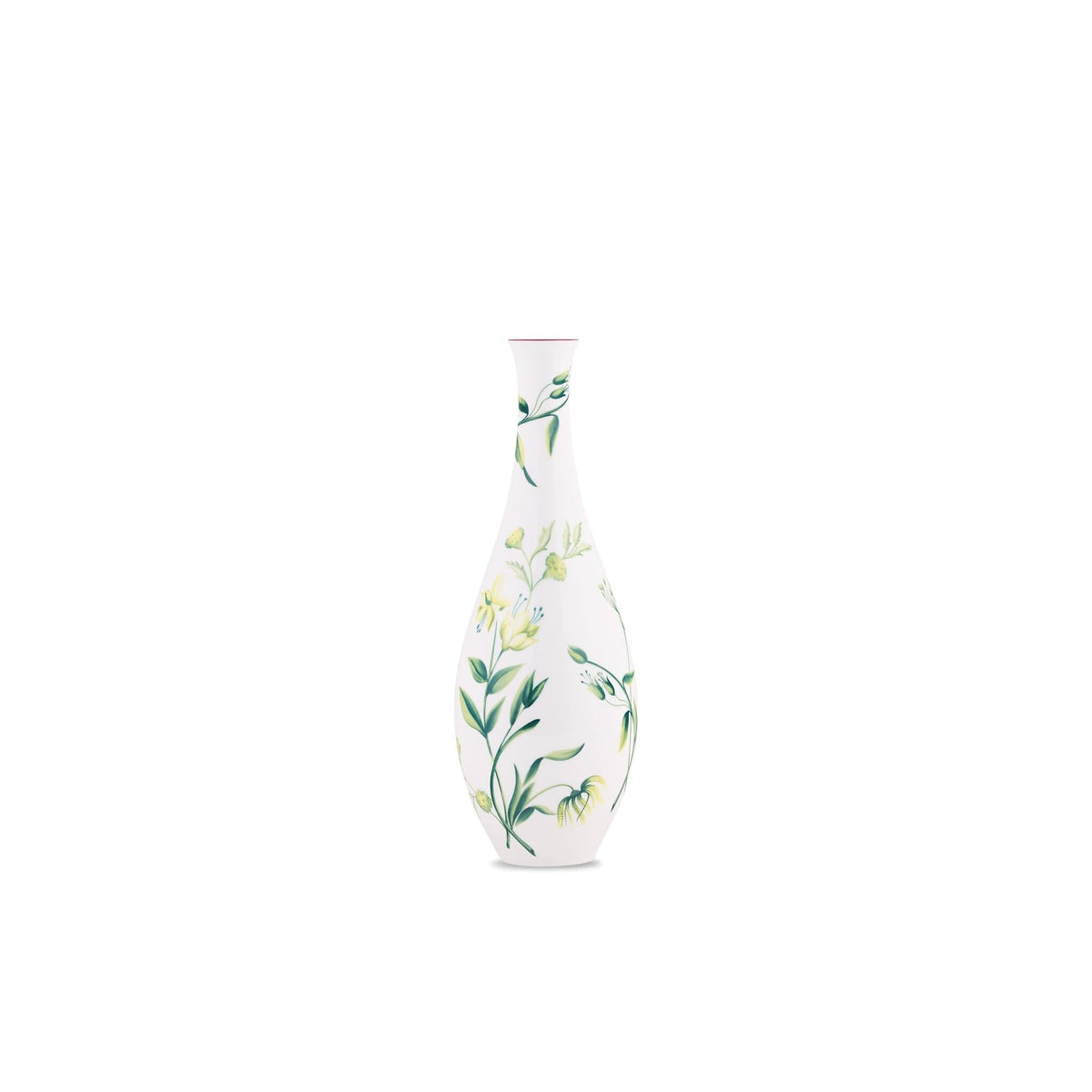
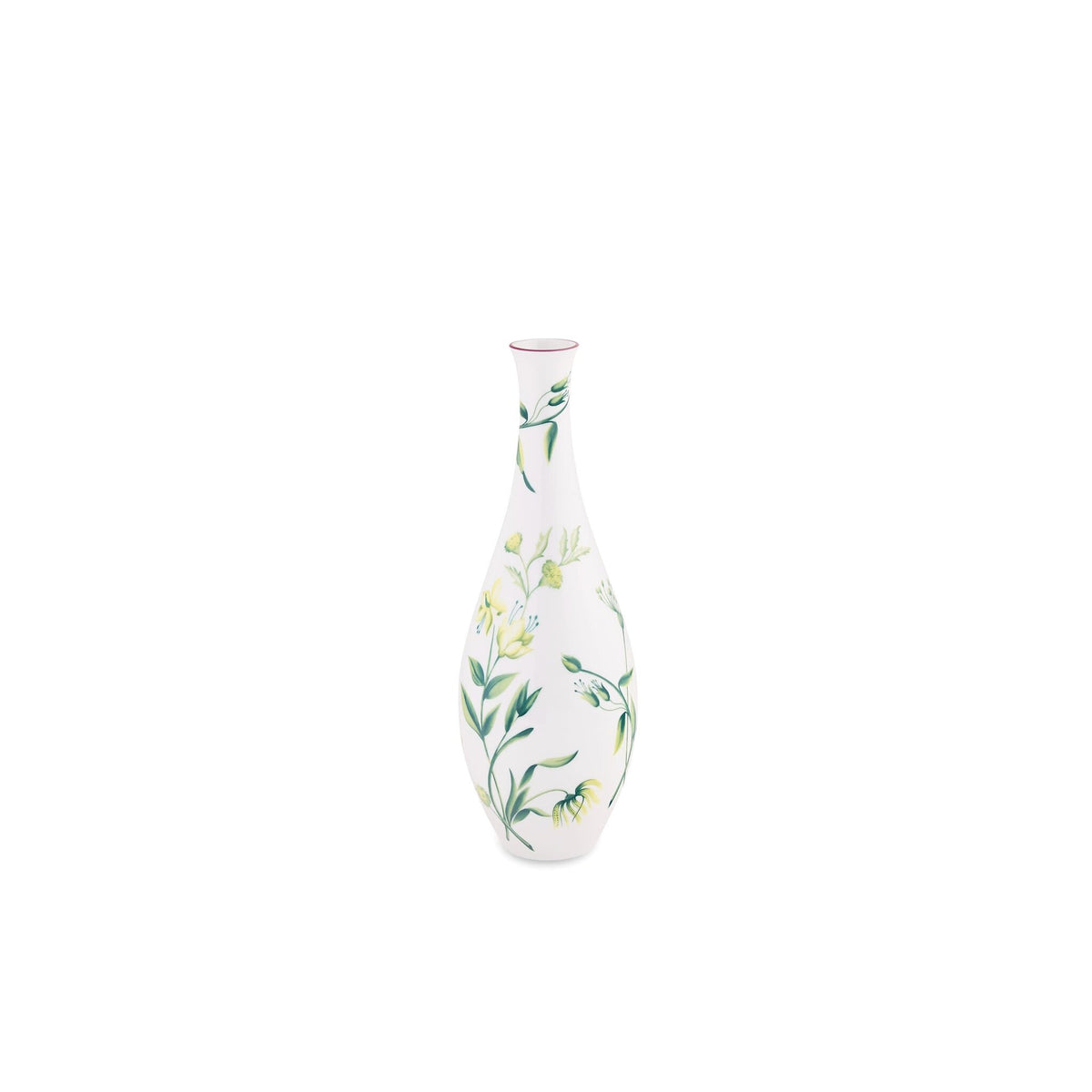
The tea and coffee pieces carry the same patterns into breakfast and the afternoon cup, and the serveware, from platters to tureens, lets a single pattern anchor the center of the table. Beyond the table, the home decor collection includes vases, trays and candle holders that bring the same Florentine colors to a desk or a mantel.
Pieces finished with gold or platinum thread deserve a gentle hand: wash them by hand with a mild detergent, dry them with a soft cloth and stack plates with a felt or paper divider. Treated this way, they are as easy to live with as they are to admire, and ready to be handed down.
Questions about Ginori 1735, a pattern or a missing piece? We are happy to help:
info@paristableware.com · (201) 652-4233